Category: Microbrands

  • Ferro & Company, vintage-minded racing watches from Vancouver

    Ferro & Company, vintage-minded racing watches from Vancouver

    MICROBRAND

    Ferro & Company, vintage-minded racing watches from Vancouver

    An independent Canadian brand with a clear point of view: mid-century motorsport and aviation design, small-batch production, and prices that stay grounded.

    Origin

    Ferro & Company was founded in Vancouver in 2014 by brothers Bob and Ary Shahbakhshi. Rather than inventing a grand heritage story, the brand builds watches shaped by an evident enthusiasm for mid-century design, especially racing chronographs and pilot’s watches. Its first collection, the Distinct, was a single-hand watch inspired by Porsche tachometers, and that automotive thread still runs through the catalog today.

    What makes it notable

    Vintage styling is easy to claim and harder to execute well. Ferro cares about the smaller cues that make a watch feel coherent: domed hesalite crystals, restrained case shapes, applied indices, and period-leaning dial textures like the asphalt finish on its racing models. The result reads as a consistent design language rather than a generic retro costume, and a decade in, the brand claims more than 30,000 watches on wrists, with coverage in Top Gear, Fratello, Wired, Time+Tide, and aBlogtoWatch.

    Signature

    The Race Master Chronograph channels 1960s Le Mans with compact proportions: a 39mm brushed steel case, 45.2mm lug to lug, a domed hesalite box crystal, and 50m of water resistance. Inside is the Seiko VK64 meca-quartz movement, a smart choice at this end of the market. You get crisp pusher feel and a snappy chronograph reset without the cost and maintenance of a fully mechanical chronograph. It starts at $485 USD.

    The Distinct 3, pictured above, distills the same racing spirit into a single-hand watch at $455, while the Paramount dress line reaches into Art Deco territory at $950. Most of the catalog sits between those points.

    Where to find them

    The official store is the best source for the current collection, specifications, and availability. Because Ferro works in small batches and limited releases, stock can move quickly. Watches ship worldwide free with a two-year warranty and 30-day returns.

    Ferro & Company is not trying to outshout the market. If you like vintage-inspired racing and pilot’s watches with a confident use of color, Ferro is worth a closer look.

    Visit Ferro & Company →

    Why this watch, on this wrist?

  • Signum Watch Co.

    Signum Watch Co.

    MICROBRAND

    Signum Watch Co.

    A young Swiss affiliated brand making decorative stone, shell, and meteorite dials more accessible.

    Signum Watch Co. — Signum Watch Co.

    Image: source

    Signum’s appeal is simple: modern dive watches with playful materials, solid everyday specs, and prices that have often landed well below the usual entry point for exotic dials.

    Origin

    Signum Watch Co. launched in 2020 as a sister brand to Straton Watch Co., the company known for vintage-leaning sport watches and crowdfunding releases. Signum took a different path. Instead of mining the past, founder Kyle Schut positioned it as a home for more contemporary dive watch designs.

    In Worn & Wound’s introduction to the brand, Schut said the goal was “to create unique and affordable modern dive watches with the best specs possible.” That mission still explains the brand well: familiar tool-watch fundamentals, but with the dial moved to center stage.

    What Makes It Notable

    A lot of affordable divers compete on the same checklist: automatic movement, rotating bezel, sapphire crystal, decent lume. Signum stands out by pairing those expected specs with dial materials that are usually associated with much pricier watches.

    Depending on the model and release, the brand has offered abalone, mother of pearl, meteorite, labradorite, and full-lume dials (current availability should be verified). That gives Signum a distinct place in the microbrand space. The watches are not trying to be the most conservative option, they are trying to be the one you remember.

    Importantly, the brand does not appear to sacrifice the basics to get there. Worn & Wound’s launch coverage described the Cuda as offering sapphire crystals, ceramic bezels, and 200 meters of water resistance at notably aggressive pricing. For buyers who want a conversation-starting dial without giving up everyday practicality, that combination is the point.

    Signature

    The Cuda is Signum’s defining model. According to Worn & Wound’s 2020 coverage, it debuted in 40mm and 44mm versions, both in brushed 316L stainless steel, with a crown positioned at 4 o’clock and 200 meters of water resistance. That report also listed thicknesses of 13.2mm for the 40mm and 13.6mm for the 44mm, plus Seiko NH35 and NH38 automatic movement options depending on date or no-date configuration.

    The broad idea was straightforward: recognizable dive-watch architecture, then a much more adventurous dial menu than most similarly priced competitors offered. Early Cuda variants included mother of pearl, abalone, full lume, and meteorite dials, including a heat-treated meteorite option highlighted by Worn & Wound.

    Launch pricing was especially notable. Worn & Wound reported starting prices of $249 for mother of pearl, $299 for abalone and full-lume versions, and $349 for meteorite. Those figures were compelling at the time, though they should be treated as historical pricing rather than current retail.

    Signum’s lineup has since expanded, including titanium and GMT-flavored models under the Cuda name (exact current model names, movements, and prices should be confirmed on the official site). Mentions of a “Cuda Titanium GMT” starting around $399 to $499 may be plausible, but those figures and movement details should be confirmed directly with the brand before purchase.

    Official Website

    For the current catalog, confirmed specs, and up-to-date pricing, visit Signum Watch Co.’s official website.

    If Signum’s formula clicks for you, it is easy to see why. Few microbrands have built such a clear identity around making uncommon dial materials feel wearable, approachable, and relatively attainable.

    Visit Signum Watch Co. →

    Sources: Worn & Wound, “Introducing: Signum Watches And The Cuda Divers”; Signum Watch Co. official website.

    Why this watch, on this wrist?

  • TSAO Baltimore: A Maryland Microbrand With Real Local Identity

    TSAO Baltimore: A Maryland Microbrand With Real Local Identity

    MICROBRAND

    TSAO Baltimore: A Maryland Microbrand With Real Local Identity

    From Old Bay tributes to a diver named after the USS Torsk, TSAO Baltimore builds watches that wear their hometown on the sleeve, and in some cases, on the rotor.

    Founded in 2017 by Alan Tsao, TSAO Baltimore is a Maryland rooted microbrand with an unusually specific point of view. Rather than leaning on vague travel or tool watch tropes, the brand draws directly from Baltimore and the wider state: an Old Bay tribute edition, a Natty Boh inspired watch, and official partnerships as the Proud Watch Company of the Baltimore Orioles and the Official Timepiece of University of Maryland Athletics. The result is a catalog that feels personal in a segment where many brands blur together.

    The identity runs deeper than dial themes. TSAO’s in-house MD-1 automatic, an ETA 2824 based caliber developed with Maryland Watch Works, is assembled, tested, and regulated in Maryland in four positions to plus or minus 8 seconds per day. In 2025 the company acquired Maryland Watch Works outright and consolidated watchmaking into a new 7,100 square foot Baltimore facility. TSAO also sells direct and operates a Baltimore boutique, a physical presence that is still rare among small independents.

    The best known model is the Torsk-Diver Professional, named after the USS Torsk, the historic submarine moored at Baltimore’s Inner Harbor. It measures 43mm across, 13.6mm thick, and 50mm lug to lug, with 300 meters of water resistance, a domed sapphire bezel insert with fully lumed markings, and a screw-down crown at 2 o’clock that keeps it off the wrist. The case flank carries an affixed plate with the Torsk‘s hull number, and MD-1 equipped versions spin a full color Maryland flag rotor behind the display back. In its September 2024 review, aBlogtoWatch wrote that the watch “wears very well” for its dimensions, crediting the arcing case profile.

    The Torsk-Diver Pro comes in steel and bronze across seven colorways at $899, with each case material limited to 423 pieces, a number that matches the submarine’s SS-423 hull designation. Several colorways are already sold out, so the official site is the place to check current availability.

    What makes the Torsk-Diver memorable is not just the spec sheet. It is the sense that the watch is tied to a real place, not a made-up brand myth. Many microbrands can build a competent diver. Fewer give one a setting, a reason, and a point of view.

    Visit TSAO Baltimore →

    Sources: TSAO Baltimore official site and product pages (tsaobaltimore.com); aBlogtoWatch, September 2024 (ablogtowatch.com); The Time Bum, September 2025 (thetimebum.com).

    Why this watch, on this wrist?
  • Wren Watches Turns Watch Media Credibility Into a Real Product

    Wren Watches Turns Watch Media Credibility Into a Real Product

    MICROBRAND

    Wren Watches Turns Watch Media Credibility Into a Real Product

    Born from the Wrist Enthusiast audience, Wren is a New York founded, Swiss made microbrand that has quickly drawn attention with compact divers and fast sellouts.

    Wren is the watch brand from Craig Karger, a former New York litigation attorney who started the Wrist Enthusiast Instagram account in 2015 and grew it into a media platform of roughly 500,000 followers across Instagram, YouTube, and podcasting. When Wren arrived, it brought an established enthusiast community with it.

    The timeline is short but deliberate. Wren was founded in 2023, and its first watch, the Diver One Aqua, landed in 2024 after nearly a year of development: a Swiss made, New York designed automatic released as a limited edition of 100 pieces at $895. It was not merchandise for fans. It was a dedicated watch project aimed at enthusiasts who care about fit, finishing, and well judged dive watch design.

    That background is the brand’s real angle. Karger spent years speaking to the same buyers he now sells to, which helps explain why details like case thickness, lug to lug length, and clasp adjustment receive real attention. Repeat collaborations with Ben’s Watches, including the Diver One Obsidian and Diver One Magma, reinforce that Wren is rooted in the collector community rather than a one time name recognition play.

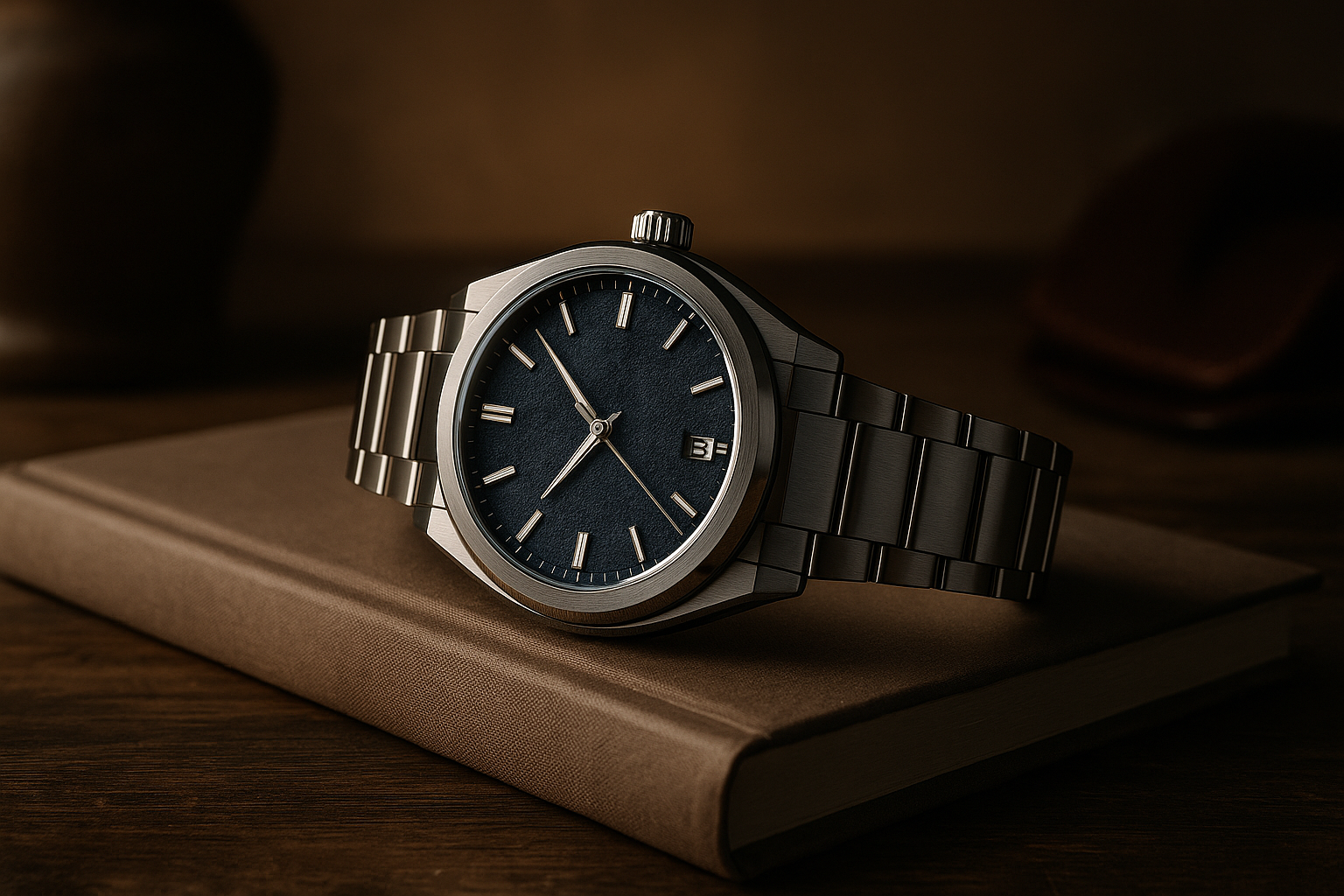
    The clearest statement of the brand’s direction is the Diver 38 Seafoam. Per Wren’s published specifications, it pairs a 38mm case, 10.7mm thick including the box sapphire crystal and 45mm lug to lug, with the ultra slim Swiss ETA 2892 automatic shown through a display back with a custom skeletonized rotor. A seafoam gradient sandwich dial, a luminous ceramic bezel, and Swiss Super-LumiNova BL10 Grade X1 sit on top of 200 meters of water resistance, and the flat link bracelet closes with a micro adjust clasp offering up to 12mm of extension. The price is $1,595, the first 100 pieces were individually numbered, and the date version is already sold out.

    Wren releases in small batches and runs sell through quickly, so the official site is the most reliable place to monitor upcoming drops. The larger question, whether a media built audience can translate into lasting product credibility, is still open. So far, Wren looks like a serious attempt to answer yes.

    Visit Wren Watches →

    Sources: Wren Watches official site and product pages (wrenwatches.com); Worn & Wound, May 2024 (wornandwound.com).

    Why this watch, on this wrist?

  • Beik & Moll Brings Arabic Numerals Back to the Wrist

    Beik & Moll Brings Arabic Numerals Back to the Wrist

    MICROBRAND

    Beik & Moll Brings Arabic Numerals Back to the Wrist

    This Cairo label frames everyday watch design through a distinctly local lens.

    Beik & Moll — Beik & Moll Brings Arabic Numerals Back to the Wrist

    AI-generated illustration for Spot.Watch

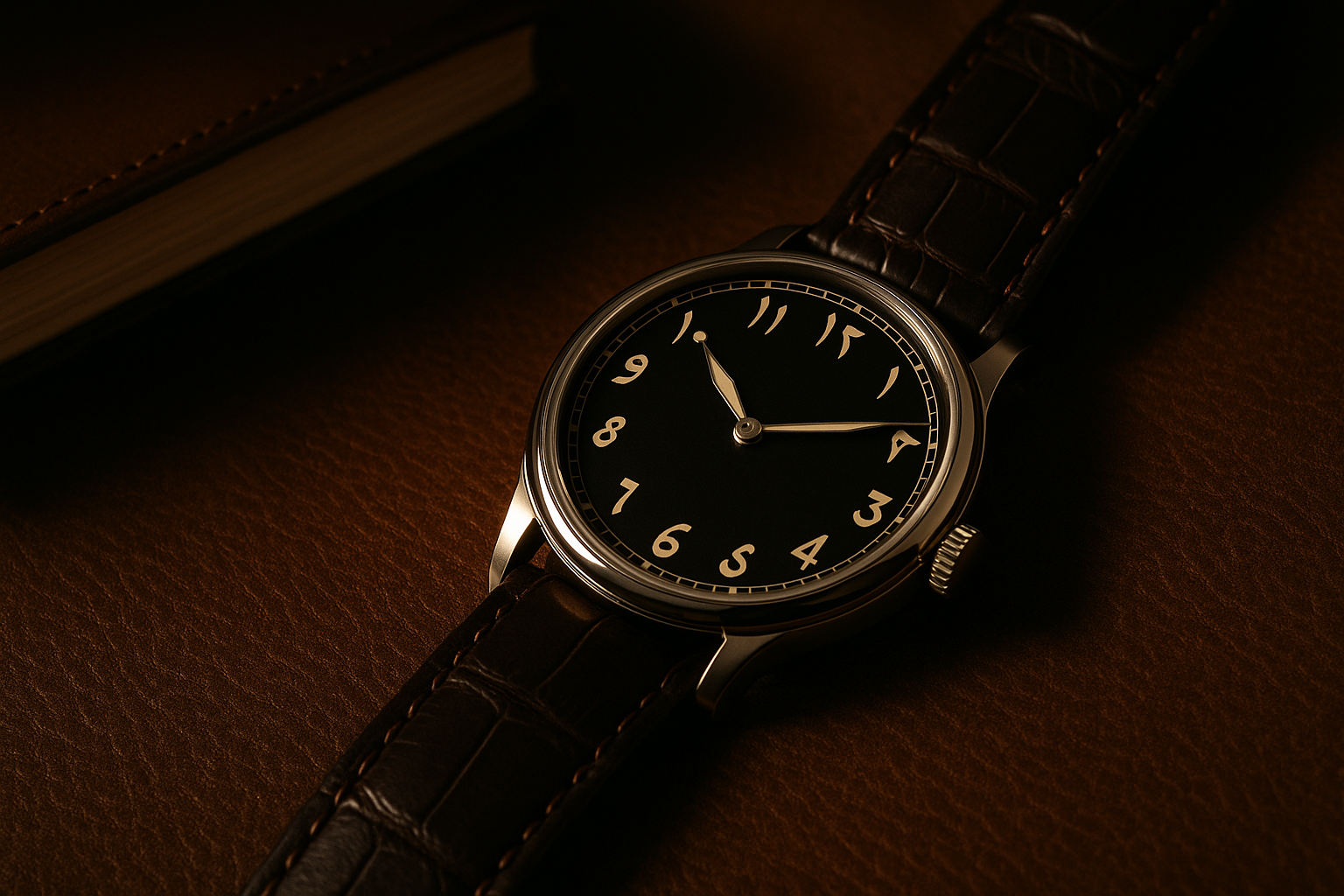
    Beik & Moll bills itself as Egypt’s first watch brand. Founded in Cairo by friends Karim El Beik and Khalid Moll and launched in January 2018, the project was built around a simple question: why should so many watches default to Roman numerals when Egypt sits so close to the roots of early timekeeping? The founders are careful about the claim — Arabic numerals on dials are nothing new, they note — but an Egyptian brand making them its identity is.

    The strongest part of the story is how much of the product stays rooted in Cairo. The watches are designed locally with art director Salma Elashaar, the leather straps are handmade by Mohamed Tolba of Garage Leather, and the boxes are produced in the heart of Dar Al Salam. The cases are manufactured in China — standard practice at this end of the market — and the brand is honest about that split rather than pretending to run a manufacture. As Flair Magazine put it, everything except the case is made in Egypt.

    There is also a welcome restraint to the design language. Rather than leaning on generic luxury imagery, the brand lets Arabic numeral dials and Cairo-linked styling carry the concept. For buyers who want something culturally specific without becoming costume-like, that is a compelling middle ground.

    The formula is affordable quartz watches in small-batch color releases that sell out quickly — the current pair, Nile Black and Nile Rose, list at about LE 13,500 in stainless steel with handmade leather straps, and both are sold out as of this writing. A rotation of genuine leather straps in seven colors rounds out the range.

    That makes Beik & Moll less about spec-sheet theatrics and more about point of view. Quartz is the practical choice here, not something to excuse. If the appeal clicks, it clicks because the watch looks unlike most of what surrounds it in this price segment.

    Visit Beik & Moll →

    Reporting on the brand’s early history draws on CairoScene’s January 2018 profile (cairoscene.com) and Flair Magazine’s May 2018 feature (flair-magazine.com). Featured image: AI-generated illustration for Spot.Watch.

    Why this watch, on this wrist?
  • Henry Archer, Aarhus Design With More Originality Than the Usual Microbrand Formula

    Henry Archer, Aarhus Design With More Originality Than the Usual Microbrand Formula

    MICROBRAND

    Henry Archer, Aarhus Design With More Originality Than the Usual Microbrand Formula

    This Danish independent says form follows function, but its real distinction is simpler: it invests in custom design work where many small brands rely on shared parts.

    Henry Archer — Henry Archer, Aarhus Design With More Originality Than the Usual Microbrand Formula

    AI-generated illustration for Spot.Watch

    Henry Archer was founded in Aarhus, Denmark in 2020 by Henrik Schødt — whose name, translated into English, gives the brand its own. Schødt came to watches from nearly two decades in 3D and product visualization, and it shows in a design language rooted in the Bauhaus principle that form follows function. The brand advertises a 4.9 rating on Trustpilot, and buyer comments frequently mention prompt communication and quick international shipping.

    A great many microbrands build attractive watches by combining standard cases, familiar handsets, and widely available dials from outside suppliers. Henry Archer goes the other way: the brand says it creates “custom molds for everything — from the dial and indices to the case, crown, and even the date wheel” (henryarcher.com). That is not unheard of in the category, but it is far more ambitious than the usual off-the-shelf approach, and it is why the watches feel authored rather than assembled.

    It also explains the breadth of the lineup. Beyond slim automatics, the catalog runs to the Verden GMT for buyers who want a travel complication, and the Nordsø family, which extends the same clean, modern language into mother-of-pearl, aventurine, and meteorite dials at roughly $650 to $847.

    The place to start, though, is the Vesterhav, the slimmest automatic the brand has made: 10.45mm thick on the Miyota 9015 Premium automatic, with Swiss Super-LumiNova and a serious 20 ATM of water resistance, from $599. The halo piece is the Vesterhav Meteorite “Kosmos,” with a dial the brand describes as “4 billion years in the making,” at $847 — an eye-catching flagship in a range that otherwise aims for accessibility.

    Henry Archer sells direct through its official website, where a first-purchase code, WELCOME10, takes 10 percent off a watch (sale items excluded). For buyers interested in a Danish microbrand that prioritizes original design over easy catalog assembly, it is worth a closer look.

    Visit Henry Archer →

    Why this watch, on this wrist?

    Sources: Henry Archer official website and product pages (https://henryarcher.com). Featured image: AI-generated illustration for Spot.Watch.

  • Straton Watch Company: Motorsport Color, Vintage Shapes, Modern Pricing

    Straton Watch Company: Motorsport Color, Vintage Shapes, Modern Pricing

    MICROBRAND

    Straton Watch Company: Motorsport Color, Vintage Shapes, Modern Pricing

    Swiss-based, design-led, and unapologetically retro, Straton builds chronographs for people who like their watches with a bit of tire smoke.

    Straton Watch Company — Straton Watch Company: Motorsport Color, Vintage Shapes, Modern Pricing

    Image: source

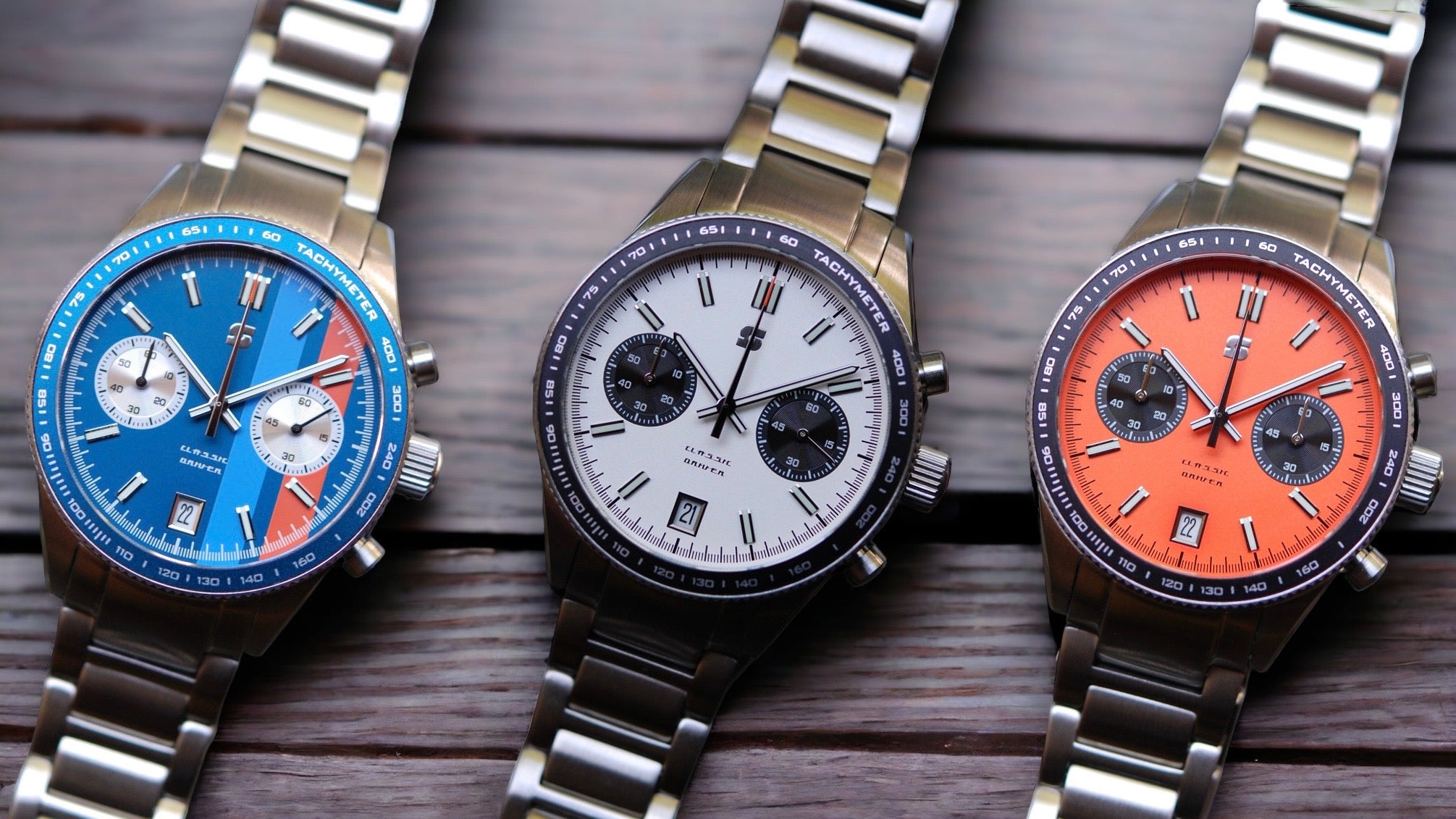
    Straton Watch Company launched in 2015 with a clear brief: channel the look of vintage rally, racing, and yachting timers into modern watches that feel accessible rather than precious. Founder Kyle Schut, South African-born and based in Switzerland, built the brand around a specific visual world — bold racing stripes, barrel and cushion cases, dashboard-inspired registers, and color palettes lifted straight from period motorsport liveries. The result is cohesive rather than costume-like.

    Like many young independents, Straton earned its early traction on Kickstarter, beginning with the Vintage Driver Chrono and Curve Chrono. By the time the Speciale arrived, the audience was waiting: its 2017 campaign blew past its CHF 15,000 goal within 24 hours and closed at CHF 256,710 from 407 backers — a community already fluent in 1960s and ’70s automotive design language.

    That focus has translated into recognition. Straton has drawn coverage from Fratello and Worn & Wound, appeared in TopGear magazine and Petrolicious, and was named one of Teddy Baldassarre’s 50 Best Microbrands of 2022.

    The model most closely associated with the brand is the Speciale, a chronograph with a squarish 1970s-style case and a distinctly motorsport-first attitude. The current version wears a 42mm 316L stainless steel case under a domed sapphire crystal and comes in two configurations: the Seiko VK67 meca-quartz from $599, or the Swiss Valjoux ETA 7750 automatic with day-date at $1,299. Every Straton ships with a 24-month warranty.

    Visit Straton →

    Straton’s appeal is straightforward. If you want a watch that captures the color and energy of 1970s motorsport without drifting into homage-for-homage’s-sake territory, it is a brand worth knowing.

    Why this watch, on this wrist?
  • Mark Time, A Philadelphia Founder Focused on Design, Not Pretending to Be a One Man Manufacture

    Mark Time, A Philadelphia Founder Focused on Design, Not Pretending to Be a One Man Manufacture

    MICROBRAND

    Mark Time, A Philadelphia Founder Focused on Design, Not Pretending to Be a One Man Manufacture

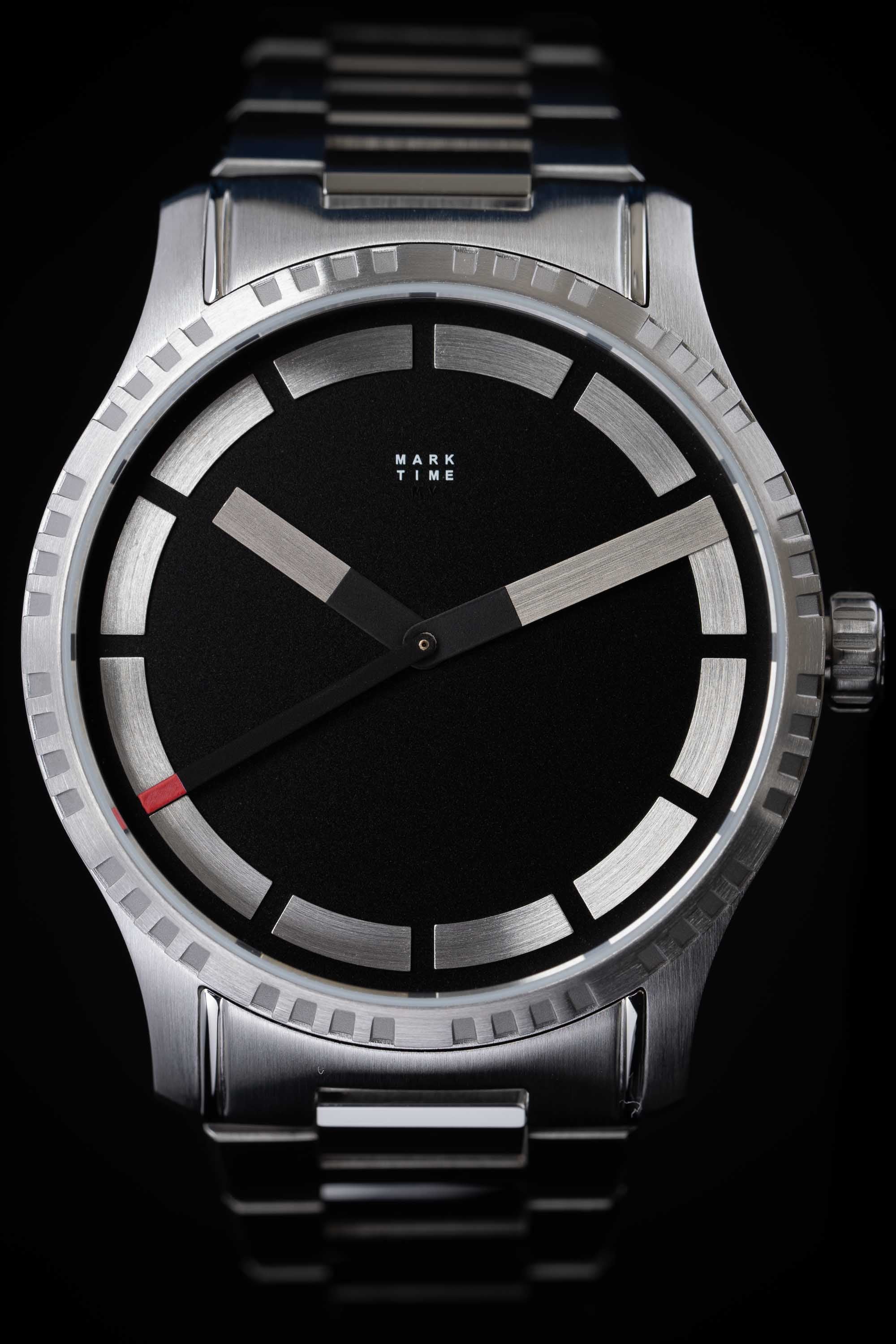
    Vintage restoration experience, restrained design, and a sense of humor give this young brand a clear identity.

    Mark Time — Mark Time, A Philadelphia Founder Focused on Design, Not Pretending to Be a One Man Manufacture

    Image: source

    Origin

    Mark Time is a Philadelphia based microbrand founded by Mark Register in August 2021. Before launching the company, Register spent years restoring vintage watches from roughly the 1920s through the 1950s, an experience that appears to have shaped the brand’s appreciation for proportion, legibility, and durable everyday design.

    Register’s background was not traditional watchmaking school. Instead, he came from branding and content work for early stage companies, then chose to build a watch brand around design direction and careful partnerships rather than trying to fabricate every component himself. On the brand’s About page, Register describes that approach in his own characteristically dry voice, writing that he did not want to “George-Daniels” his way into the business.

    According to Mark Time, production is handled through a TÜV Rheinland certified facility in Guangzhou, and final regulation and quality control are performed in the United States by Baltimore Watch Company. The brand also states that watches are hand checked before shipping to an accuracy of plus or minus 10 seconds per day.

    What Makes It Notable

    The appeal here is straightforward. Mark Time does not present itself as a heroic workshop story or a faux heritage exercise. It is a modern enthusiast brand built by someone who likes watches, likes watch people, and seems comfortable saying so plainly.

    Its guiding line, “For Yourself,” is central to that pitch. The watches lean toward clean, highly legible layouts with restrained detailing. Register cites German design influences on the brand’s official materials, and that feels credible in the watches themselves, especially in the uncluttered dials and simple case architecture. The collection has expanded over time from the early M1 to later models including the M6.

    There are also a few details that help the brand feel personal rather than generic. Mark Time says certain casebacks reference cities important to Register’s life, including Philadelphia, Mainz, and London. The brand has also used CuSn8 bronze for some models, a common watchmaking alloy known for developing visible patina over time. Mark Time lists a two year warranty and a seven day return window on its site.

    Signature

    The model most likely to introduce you to the brand is the M 1.2. Based on Mark Time’s published specifications, it uses the automatic Miyota 9039, a no date movement typically rated at 28,800 vibrations per hour with about 42 hours of power reserve. This is a familiar, dependable Japanese movement choice for a design led independent watch.

    The watch is described as having a sunburst sandwich dial, double domed sapphire crystal with anti reflective coating, a sapphire display back, and 100 meters of water resistance. If confirmed on the current product page, that is a strong everyday specification set for a microbrand dress casual watch.

    One of the better brand signatures appears on the caseback: “Japanese Heart, German Love, Philly Sarcasm,” as quoted on the official site. It is concise, self aware, and more memorable than the usual claims about passion and craftsmanship.

    Where to Find Them

    Mark Time sells primarily through its official website. The brand does not appear to maintain a permanent showroom, but its About page says Philadelphia area buyers can contact Register to arrange an in person try on, adding that “it’s more fun that way.” That directness fits the brand well. Mark Time feels less like a factory story and more like an enthusiast run label with a clear point of view.

    Visit Mark Time →

    Why this watch, on this wrist?

  • Atelier Wen and the Quiet Confidence of “Proudly Made in China”

    Atelier Wen and the Quiet Confidence of “Proudly Made in China”

    MICROBRAND

    Atelier Wen and the Quiet Confidence of “Proudly Made in China”

    Two French founders built a watch brand around an unfashionable idea: that high end Chinese craftsmanship deserves to be named, seen, and taken seriously.

    Atelier Wen — Atelier Wen and the Quiet Confidence of "Proudly Made in China"

    Image: source

    Origin

    Atelier Wen was founded in 2018 by Robin Tallendier and Wilfried Buiron, two French watch enthusiasts who met while living in China. From the start, the brand set itself apart by leaning into a label many companies would avoid. Rather than obscuring where its watches are made, Atelier Wen has made “Proudly Made in China” central to its identity, a framing also highlighted by Hodinkee in its early coverage of the brand.

    The name reflects that intent. “Wen” references Chinese culture and refinement, and the brand’s designs regularly draw on Chinese decorative traditions and local craft rather than simply following familiar Swiss templates.

    What Makes It Notable

    Atelier Wen matters because it has tried to build more than another design led microbrand. Its strongest watches foreground named artisans, specialized finishing, and materials that are uncommon at this end of the market.

    A key example is the brand’s use of hand turned guilloché dials made by Cheng Yucai. Atelier Wen presents him as China’s only master of traditional hand guilloché (a claim that is compelling but difficult to independently confirm from public sources). Even with that caveat, the broader point stands: Atelier Wen has made a visible effort to credit Chinese craftspeople and place their work at the center of the product.

    The brand has also used premium case materials, including 904L steel and tantalum, choices more often associated with larger luxury makers than young independents. That helps explain why Atelier Wen has gradually moved beyond entry level pricing. Earlier models were positioned as relatively accessible enthusiast pieces, while later releases have pushed into more ambitious territory in both execution and cost.

    More broadly, Atelier Wen’s appeal is philosophical as much as aesthetic. It asks buyers to reconsider old assumptions about Chinese manufacturing, not through slogans alone, but through tangible finishing, thoughtful design, and transparent sourcing of craft.

    Signature

    The clearest expression of that idea is the Perception, Atelier Wen’s integrated bracelet sports watch. It operates in a crowded category, but distinguishes itself with a slim profile, detailed dial work, and a stronger point of view than many lookalike rivals. Brand specifications list the steel model at roughly 40mm across and about 9.4mm thick, depending on variant, dimensions that help it wear neatly on the wrist.

    Its dial is the headline feature. The hand turned guilloché, produced in Cheng Yucai’s atelier according to the brand, gives the Perception a texture and sense of human input that photographs do not fully capture. An exhibition back rounds out the package by keeping the mechanics in view.

    The movement story has changed over time. Early Perception models were reported to use the Dandong SL1588 automatic, with launch pricing widely cited around $2,588, depending on configuration and source. More recent versions have been presented with the French made Pequignet Calibre Initial, also referred to in some coverage as the EPM03, with pricing reported around $4,850 at current retail. If confirmed, that is a meaningful step up, and it suggests Atelier Wen is trying to justify higher prices with both finishing and mechanical substance.

    That blend feels true to the brand’s identity: Chinese decorative craft, European founders, and in newer versions, a French movement, all brought together in a watch that is more self assured than loud.

    Where to Find Them

    Atelier Wen sells directly through its official website, which is the best place to view current models, specifications, and availability. For background on the brand’s early positioning, Hodinkee’s introductory coverage is also a useful source.

    Visit Atelier Wen →

    Why this watch, on this wrist?
  • Brew Watches: A New York Microbrand with a Coffee First Point of View

    Brew Watches: A New York Microbrand with a Coffee First Point of View

    MICROBRAND

    Brew Watches: A New York Microbrand with a Coffee First Point of View

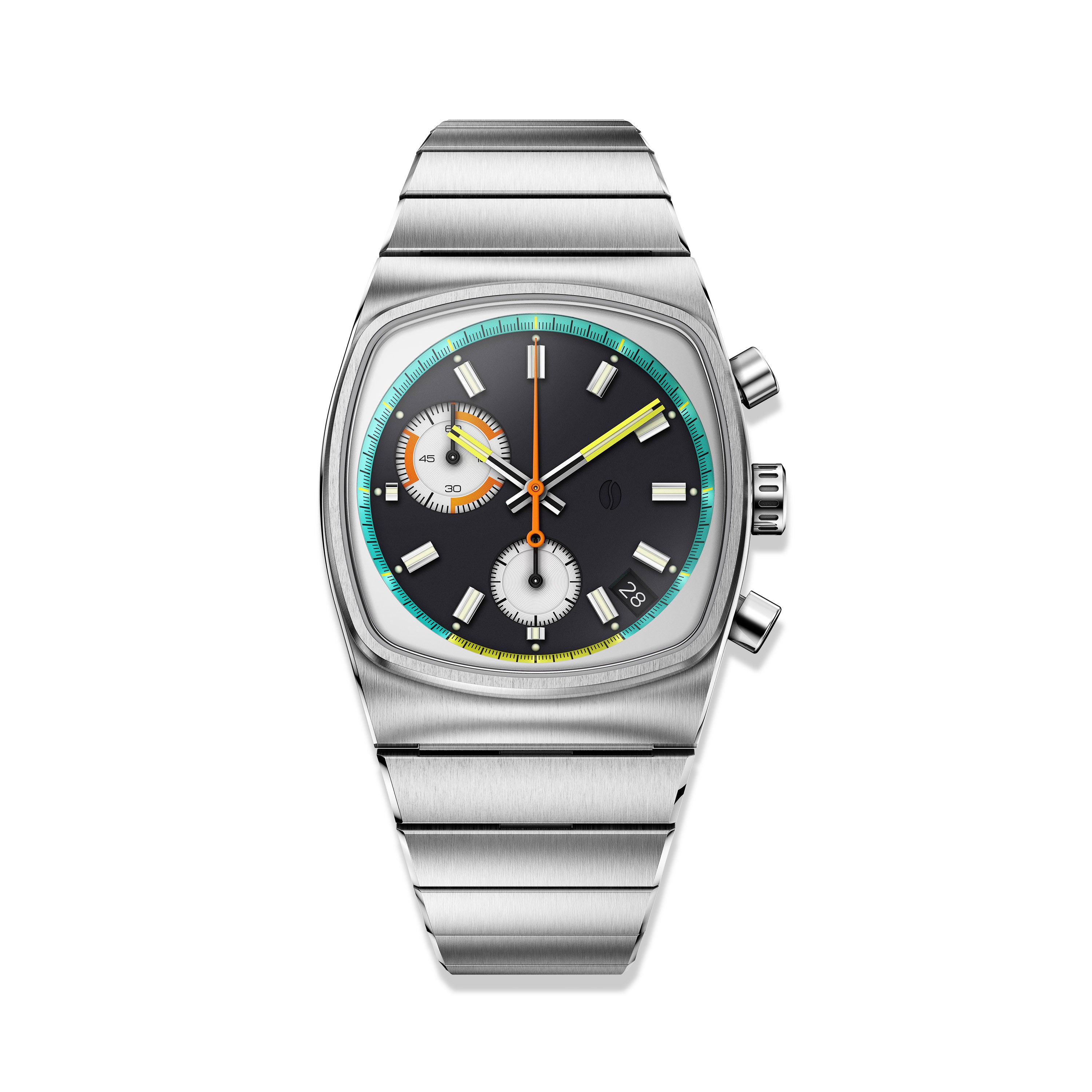
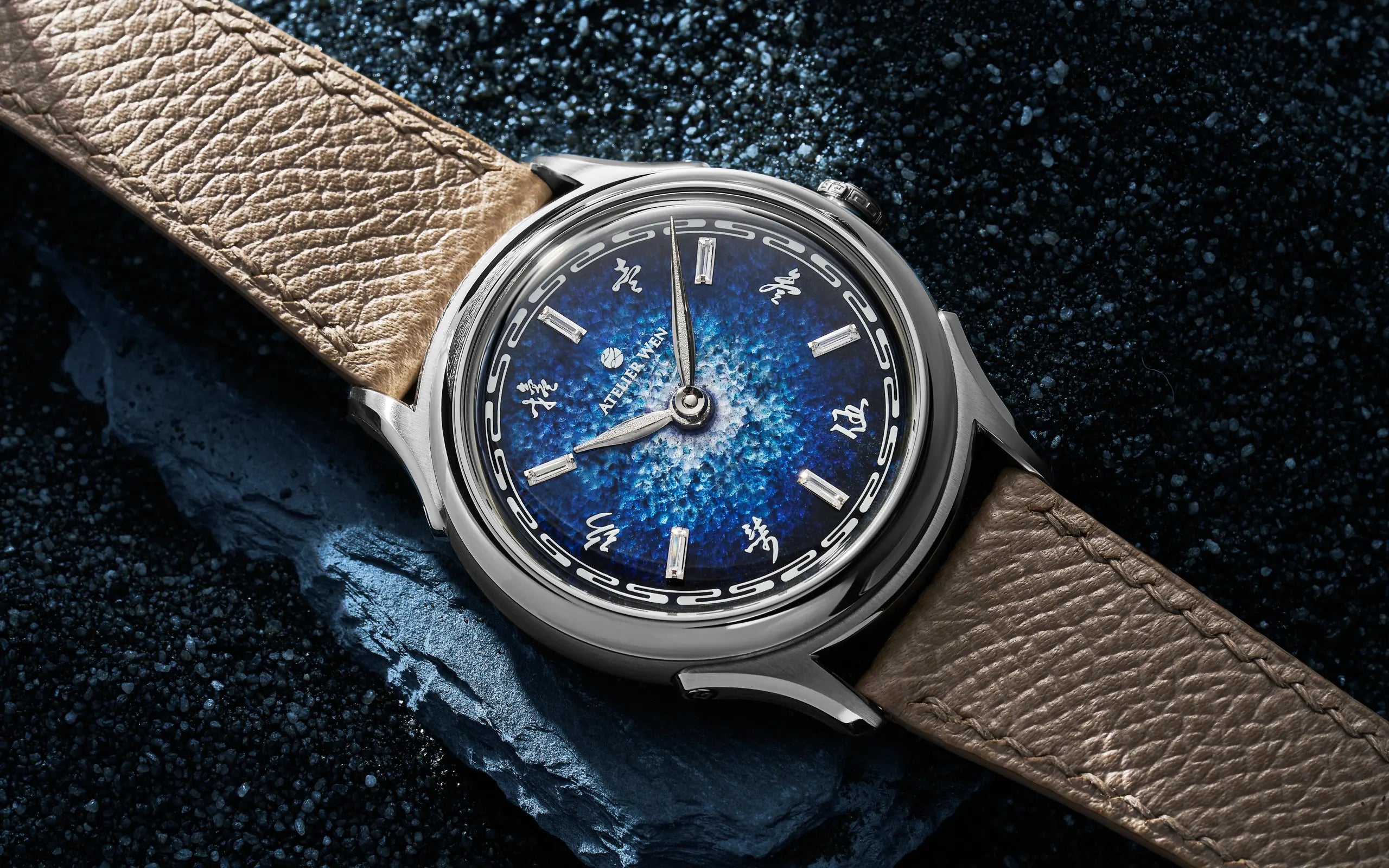
    Brew turned espresso culture into one of the most distinctive design languages in affordable watchmaking.

    Brew Watches — Brew Watches: A New York Microbrand with a Coffee First Point of View

    Image: source

    Many microbrands begin with dive watch cues or military references. Brew took a different route, building its identity around coffee and the rituals that surround it.

    The brand was founded in New York by designer Jonathan Ferrer. Brew states that Ferrer launched the company after developing an interest in both watches and coffee culture, and its early story is closely tied to Kickstarter.

    What is clear is the central idea: Brew does not use coffee as a loose bit of marketing. It has shaped the watches’ colors, scales, proportions, and naming from the start.

    Where to Find Brew Watches

    Brew sells primarily through its official website, where it lists current models, upcoming drops, specifications, and pricing.

    Because the brand often releases watches in batches, the official site is the best place to confirm what is actually available now.

    For readers who want the short version, Brew’s appeal is simple: a strong founder led concept, compact and characterful chronographs, and a design language that feels personal rather than generic. In a microbrand market full of lookalike offerings, that is enough to make it memorable.

    Visit Brew Watches →

    Why this watch, on this wrist?