|
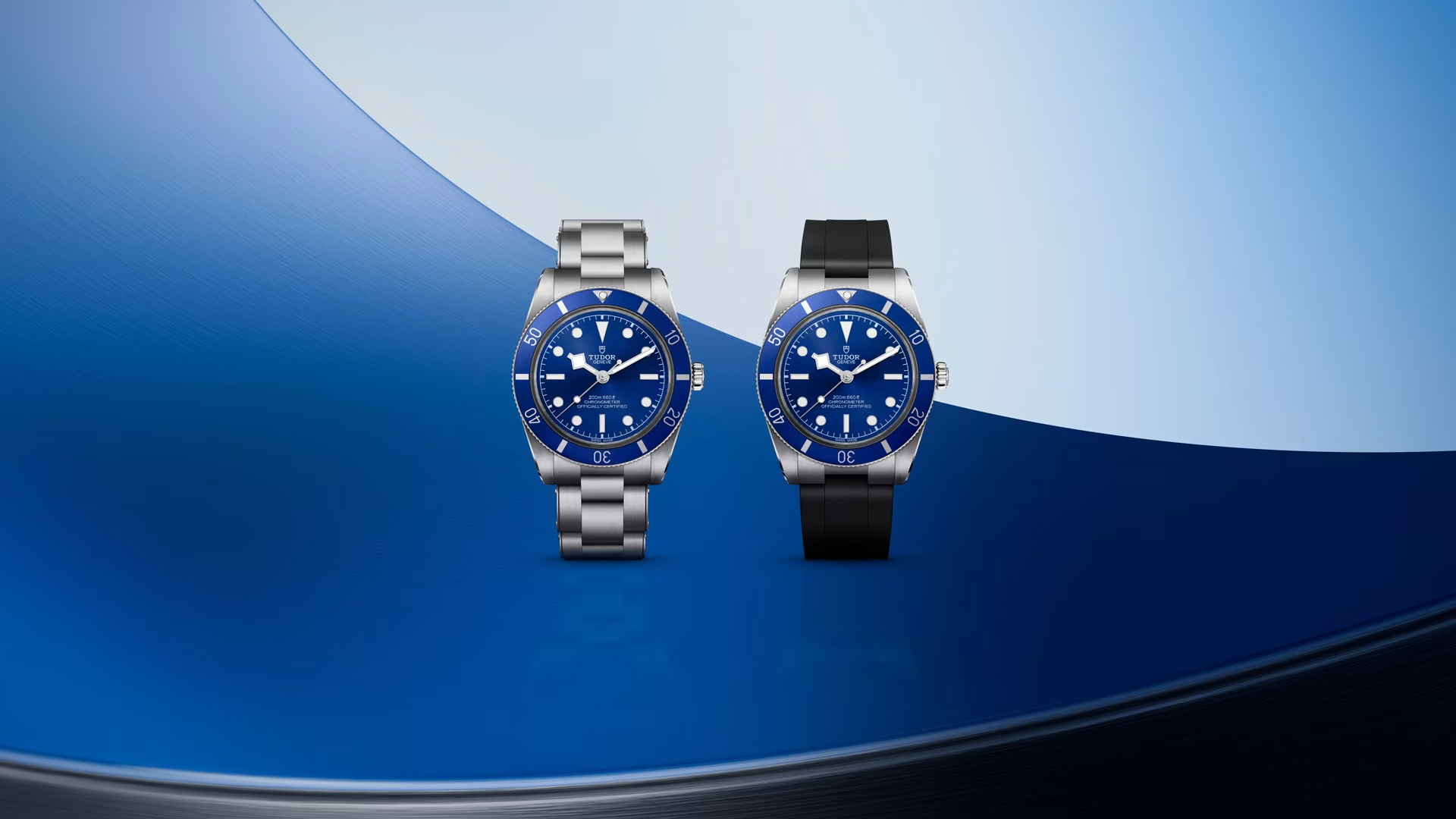
NEW RELEASE Tudor’s New Monarch Makes a Dressier Case for the Brand’s Next CenturyFor its centenary, Tudor appears to be pushing beyond pure tool-watch pragmatism with a new model said to pair traditional movement decoration with the brand’s familiar value pitch. But several key details still need confirmation.  Image: source Source: TUDOR Tudor has long built its reputation on restraint. While much of Swiss watchmaking sells aspiration through finishing, legacy language, and display-case romance, Tudor usually leads with utility. Its best known modern hits are watches you buy for their proportion, durability, and credibility, not because the movement is dressed for applause. That is why the reported arrival of the Monarch matters, if the brand’s own 2026 materials bear out the claims in this draft. Presented here as a centenary release, the watch is described as introducing a newly developed in-house caliber with visible decorative work, including Geneva stripes, beveling, and a gold rotor inlay. If accurate, that would mark a notable shift in emphasis for Tudor, from making movements you trust to making movements you are also invited to admire. (Needs verification.) “Tudor’s usual promise has been straightforward value. If the Monarch is exactly as described, it suggests the brand now wants to compete on visual refinement too.” The most provocative detail is the price. At a stated $4,800, the Monarch would sit well below much of the industry’s entry point for visibly embellished mechanical watchmaking. That kind of positioning would be very on-brand for Tudor. The company has spent the last decade strengthening its case as the buyer’s choice in modern Swiss luxury, often by offering tangible quality where competitors offer only prestige. Still, this is where caution is necessary. Several core claims in the draft, including the 100th anniversary framing, the exact watch name, the reference number, the movement details, and the price, were not independently substantiated within the text beyond a general Tudor new-watches link. Tudor was founded in 1926, so a 2026 centenary is plausible. But the specific product facts should be confirmed directly from the individual product page or official press material before publication. (Needs verification.) If confirmed, the broader significance is easy to see. Finishing has long functioned as one of Swiss watchmaking’s clearest class markers. Brands can match each other on accuracy and reliability more easily than they can on labor-intensive decoration, especially decoration visible through a display back. So when a value-driven manufacturer starts advertising those cues, it pressures the category above it. Buyers begin asking harder questions about what, exactly, they are paying for. That does not mean Tudor is abandoning its identity. If anything, a watch like this would suggest the brand is expanding it. A Tudor with a more polished visual and mechanical presentation would still make sense, especially in an anniversary year, so long as the pricing remains disciplined and the execution avoids feeling like borrowed theater. The appeal would not be that Tudor suddenly became something else. It would be that Tudor found a way to translate its familiar value logic into a more formal, decorative register. WATCH SPECIFICATIONS
HeritageTudor’s historical role within the broader Rolex orbit is well established. The brand was created to offer robust Swiss watches with strong practical credibility at more accessible prices than Rolex itself. That balance, durability over flourish, has defined much of Tudor’s identity for decades. The draft also links the Monarch name to older Tudor integrated-bracelet dress models. That may be true, but it requires direct sourcing before it can be stated as fact. (Needs verification.) If Tudor is indeed reviving a legacy name tied to a dressier part of its back catalog, that would make sense for an anniversary launch, especially one meant to broaden the brand’s image beyond dive and sport watches. Likewise, Tudor’s transition toward in-house calibers is a real and important modern story, though any claim about this specific movement’s place in that evolution should be tied to official documentation from Tudor. The key editorial point remains sound: if this release introduces a more overtly decorated manufacture movement at an accessible price, it would represent an evolution in how Tudor defines value. Why This Watch on This WristThe strongest case for the Monarch is not that it gives Tudor a dress watch. It is that it gives a certain buyer permission to stop treating finishing as someone else’s game. The right wrist here belongs to a collector who already understands Tudor’s appeal, someone who has owned or considered a Black Bay, a Pelagos, or another practical daily wearer, but has started wanting more visual pleasure from the mechanics themselves. Not prestige for its own sake, and not old-world preciousness, just evidence that care can be seen as well as measured. That is an earned connection because it aligns with Tudor’s actual audience. The brand has built trust with buyers who are value-conscious without being joyless, and knowledgeable without needing to perform connoisseurship. If the Monarch is real in the form described, it speaks directly to that person. It says you do not need to leave the Tudor ecosystem to get a watch with a little more ceremony. On the wrist, then, the Monarch would not signal a personality transplant. It would signal a widening taste, a move from pure utility toward appreciation, while staying grounded in the same price logic that got the owner here in the first place. |