Category: Watches by the Country

Horology around the world — watchmaking traditions country by country.

  • The Watchmakers of Germany

    The Watchmakers of Germany

    WATCHES BY THE COUNTRY

    The Watchmakers of Germany

    Where Saxon precision meets Bauhaus restraint, and the steady hand of the engineer rules the dial.

    Germany’s horological soul lives in two towns. The first is Glashütte, the Saxon village whose name carries a legally protected designation of origin that rivals anything Switzerland can claim — a guarantee that the watch on your wrist was genuinely made there, by hand, to exacting standard. The second is Pforzheim, the “City of Gold,” whose jewellery and watch trade fed German wristwatches into the world for generations. Between them runs a national philosophy: rigorous engineering, honest functionality, and the quiet confidence that a watch should look as clear as it runs true.

    The story begins in 1845, when Ferdinand Adolph Lange opened his workshop in Glashütte and gave a struggling region a reason to exist. From that root grew the three-quarter plate, the hand-engraved balance cock, and a tradition that survived war, division, and the long silence of the GDR years before roaring back to life after 1990. Add the stark geometry of Bauhaus and the no-nonsense legibility of the Flieger pilot watch, and you have a watchmaking culture unlike any other — German to its core.

    The Great Houses of Glashütte

    At the summit sits A. Lange & Söhne, founded in 1845 and spectacularly revived in 1990 by Walter Lange. Every Lange is a study in restraint and obsession: German-silver three-quarter plates, hand-engraved balance cocks, and finishing that places the brand among the most coveted in all of haute horlogerie.

    Sharing the Glashütte postcode but a very different philosophy, NOMOS Glashütte arrived just two months after the Berlin Wall fell. Today it is Germany’s largest manufacturer of mechanical watches, celebrated for Bauhaus-clean designs and fully in-house calibres at refreshingly accessible prices starting around $1,500.

    Mühle-Glashütte, family-owned since 1869, traces its roots to precision nautical instruments — and it shows. Its robust dive and pilot watches, built around in-house regulated movements, embody German tool-watch functionalism.

    Tutima Glashütte was born from the 1927 union of UROFA and UFAG, and made its name producing military chronographs. After returning to its Saxon hometown in 2008, the brand now offers both Swiss and in-house movements in a military-inspired catalogue.

    Moritz Grossmann revives the name of a 19th-century Glashütte master. Founded in 2008 as a modern independent manufacture, it crafts beautifully finished dress watches with in-house calibres and a devotion to traditional German technique.

    Heritage Beyond Glashütte

    Junghans, founded in 1861 in Schramberg, was once the largest watch manufacturer on earth. It remains a design icon thanks to the Bauhaus-pure Max Bill collection and its pioneering work in radio-controlled timekeeping — an independent that still bridges heritage and innovation.

    Few names define the Flieger like Laco. Founded in 1925 in Augsburg, it was one of the original five brands contracted to build pilot watches for the Luftwaffe in World War II. Today it remains the definitive source for authentic Flieger watches, from affordable entry-level pieces to premium Swiss-movement editions.

    Hanhart has been making precision stopwatches and pilot chronographs since 1882. It is best known for its flyback chronograph movements and its unmistakable red pusher — a feature adopted by the German military and beloved by aviation enthusiasts the world over.

    The Independents and Microbrands

    At the artisanal end, D. Dornblüth & Sohn is a small family atelier producing entirely hand-crafted watches in century-old German and Swiss traditions. Founded in 1959, it is revered by connoisseurs for exceptional finishing and in-house movements that justify its premium positioning.

    Representing the new wave, Sternglas launched in Hamburg in 2016 with a strict Bauhaus minimalism aimed at first-time buyers. Originally crowdfunded on Kickstarter, it has grown into a diverse line of quartz, automatic, and mecha-quartz chronograph watches — proof that clean German design needn’t break the bank.

    Where to Find Them

    A. Lange & Söhne — alange-soehne.com
    NOMOS Glashütte — nomos-glashuette.com
    Mühle-Glashütte — muehle-glashuette.de
    Tutima Glashütte — tutima.com
    Moritz Grossmann — grossmann-uhren.com
    Junghans — junghans.de
    Laco — laco.de
    Hanhart — hanhart.com
    D. Dornblüth & Sohn — dornblueth.com
    Sternglas — sternglas.com

    From Lange’s hand-engraved heights to Sternglas’s accessible geometry, German watchmaking speaks one consistent language: clarity, engineering, and a refusal to add a single line that doesn’t earn its place. It is a country that builds watches the way it builds everything else — to last, to function, and to be understood at a glance.

    Until the next country, keep your seconds straight and your lume bright. — Spot.Watch

    Why this watch, on this wrist?

  • The Watchmakers of Australia

    The Watchmakers of Australia

    WATCHES BY THE COUNTRY

    The Watchmakers of Australia

    Born of red deserts, coral reefs, and a defiant DIY spirit, Australia’s watchmakers are writing their horological story in real time.

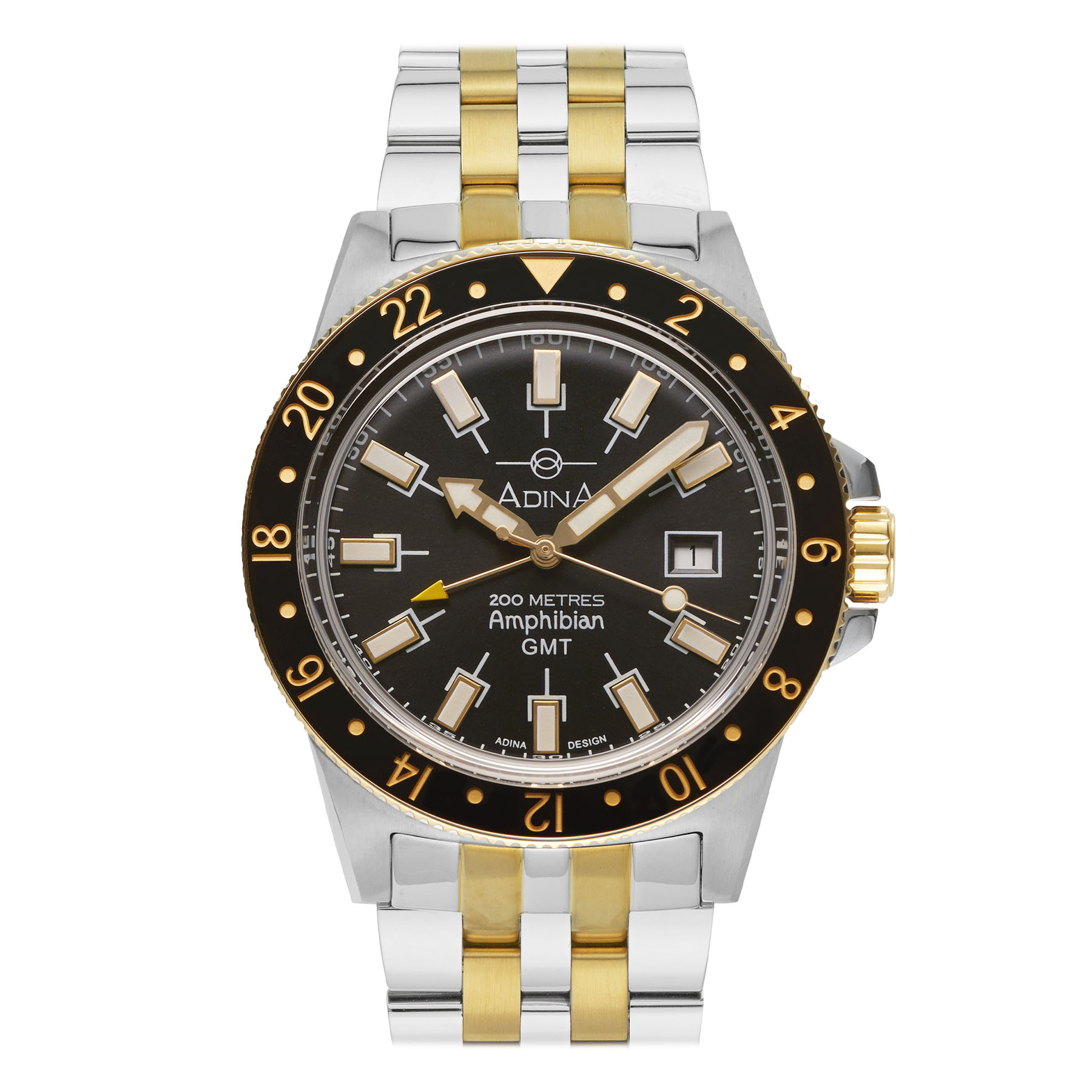
    Adina watch

    Image: Au

    Australia has never been a country bound by tradition for tradition’s sake, and its watchmaking reflects that. There are no centuries-old guilds here, no valleys lined with dynastic manufactures. Instead, the Australian scene is overwhelmingly a 21st-century phenomenon — a vibrant, fast-moving community of microbrands and independents who used the internet and direct-to-consumer models to leapfrog the usual barriers and build genuinely global followings from garages, showrooms, and workshops across the continent.

    That doesn’t mean the country arrived empty-handed. A handful of pioneers laid the groundwork: a home-grown company quietly assembling watches in Brisbane since the early 1970s, and a stubborn, vocal independent in Sydney determined to prove that real watchmaking could happen on Australian soil. The new generation builds on that foundation with bold designs drawn from the continent’s landscapes, wildlife, and adventurous outdoor culture — paired, sensibly, with proven Swiss and Japanese movements. Here are the makers carrying the flag.

    The Established Houses

    Adina is the elder statesman of Australian horology and is widely recognized as the country’s only true home-grown watchmaking company. Producing watches in Brisbane since 1971, Adina has spent over half a century building a reputation for durable, honest timepieces assembled by a small in-house team of watchmakers. In a scene dominated by recent arrivals, Adina is the through-line connecting Australia’s past and present.

    Nicholas Hacko Watchmaker represents the other pillar of the Australian story: the uncompromising independent. Based in Sydney and operating since 2011, Hacko is a prominent and famously outspoken watchmaker known for producing limited-series watches with a hard focus on local manufacturing. His project matters because it pushes the conversation beyond assembly toward genuine domestic watchmaking — an ambitious bet that Australia can make watches, not just brand them.

    The Microbrand Vanguard

    Melbourne Watch Company has become one of the most respected names in the Australian microbrand world since its founding in 2013. What sets it apart is substance: the company assembles and services its watches in-house at its Melbourne showroom, cultivating a loyal community that values transparency and proximity to the people who actually build their watches.

    Bausele earned a place in the history books as the first Australian brand to exhibit at Baselworld, a milestone that put the country on the international stage. Founded in 2011 and based in Sydney, Bausele pairs Swiss movements with distinctly Australian touches, weaving elements of the continent into its watches and aiming squarely at adventurers who want a piece of home on the wrist.

    Melbourne Watch Company watch

    Image: Au

    Erroyl, out of Melbourne and established in 2014, takes the road less travelled among Australian brands by looking toward Europe for inspiration. Its elegant dress and field watches draw on Bauhaus restraint and Glashütte sensibilities, delivering refined, clean-lined design with quality movements at accessible prices — proof that Australian taste isn’t limited to rugged tool watches.

    Second Hour Watches is among the newer arrivals, founded in 2019 by Peter Sargison. Even the name carries meaning, reflecting a personal connection to horology and the way collecting often becomes a second life pursued alongside everything else. It’s a fitting emblem for a scene built largely by enthusiasts who turned passion into a brand.

    Where to Find Them

    Adina — adinawatches.com.au
    Nicholas Hacko Watchmaker — clockmaker.com.au
    Melbourne Watch Company — melbournewatch.com.au
    Bausele — bausele.com
    Erroyl — erroyl.com
    Second Hour Watches — secondhour.com.au

    What unites these makers isn’t a shared style — Adina’s workhorse durability sits a world away from Erroyl’s Bauhaus calm — but a shared moment. Australian watchmaking is young, hungry, and still defining itself, which is precisely what makes it worth watching. From a Brisbane workshop running since 1971 to a Sydney independent chasing true local manufacture, the country is proving that heritage isn’t the only path to credibility. Sometimes all it takes is good design, honest assembly, and a willingness to do it your own way.

    Until next time — keep an eye on the Southern Hemisphere.

    Sources: brand profiles informed by reporting from Teddy Baldassarre, WatchGecko, and Microbrand.store.

    Why this watch, on this wrist?

  • The Watchmakers of South Africa

    The Watchmakers of South Africa

    WATCHES BY THE COUNTRY

    The Watchmakers of South Africa

    Where dials carry the names of cities and the colour of the veld — Africa’s loudest horological voice is still finding its tune.

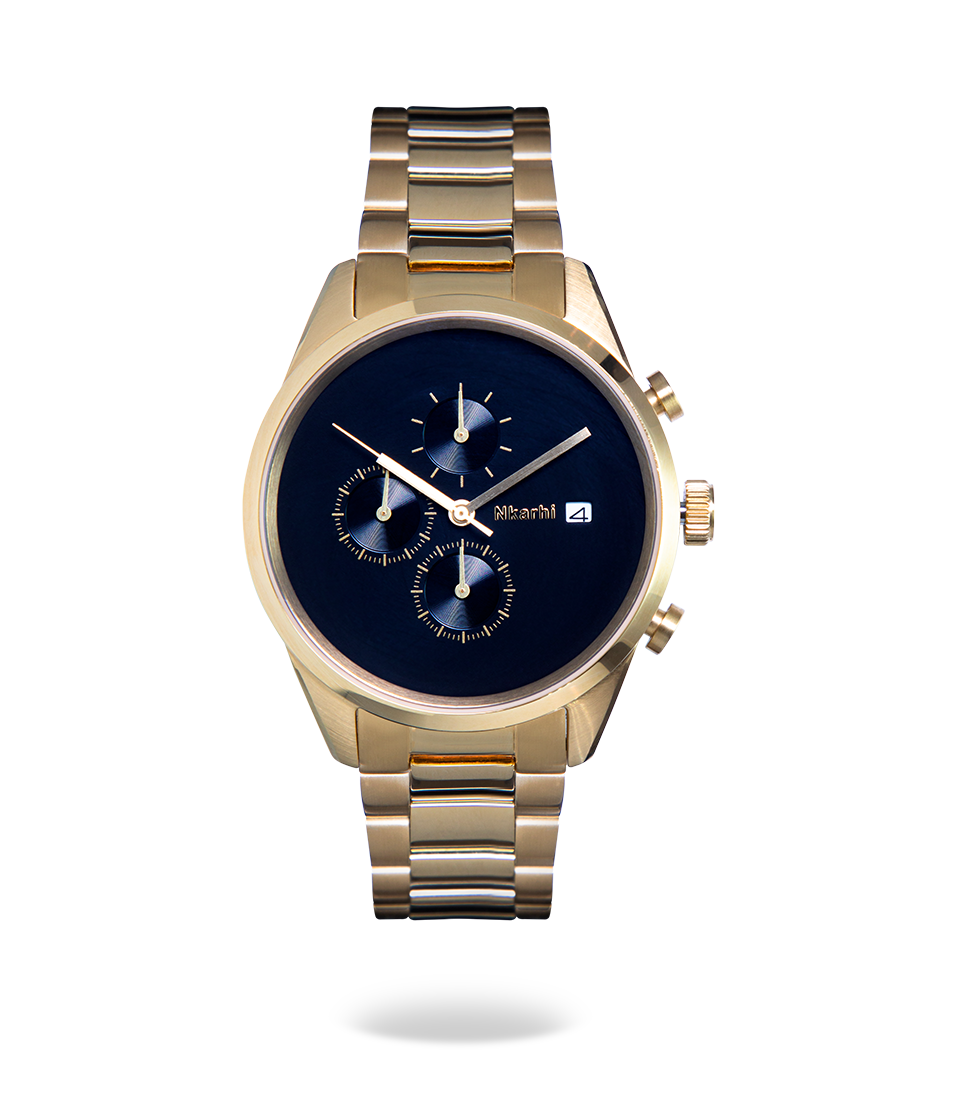
    Nkarhi Timepiece watch

    Image: Africa

    South Africa has no cathedral of horology, no centuries-old guild tradition handed down through alpine valleys. What it has instead is something newer and arguably more interesting: a generation of independent makers who decided the African continent should design its own watches rather than wear someone else’s. From the workshops of Cape Town to the studios of Johannesburg, South Africa has quietly become the continent’s most active hub for homegrown watchmaking — a place where the global microbrand movement has taken root and grown a distinctly local character.

    The story here is one of identity rather than inheritance. These brands aren’t trying to out-Switzerland Switzerland. They’re naming watches after the cities their founders grew up in, drawing dial colours from the landscapes outside their windows, and infusing African design sensibility into a category long dominated by European nostalgia. The result is a small but confident scene that’s increasingly catching international attention — and proving that a meaningful watch culture can be built from scratch in a single generation.

    The Makers

    Nkarhi Timepiece

    Founded in 2018 and based in Johannesburg, Nkarhi Timepiece wears its African identity on its dial — quite literally. The brand names its watches after African cities and regions, with collections like “City of Gold” (a nod to Johannesburg itself) and “eThekwini” (Durban) anchoring the lineup. The pieces span men’s, women’s, and “his & hers” pairings, with colourful execution — golds, blues, reds, browns — that pushes back against the muted restraint of European convention. With nationwide shipping and a generous warranty backing every timepiece, Nkarhi has built itself as an accessible, proudly local everyday watch brand. It’s perhaps the clearest example of South African horology refusing to borrow its references from anywhere but home.

    Matt Arend Timepieces watch

    Image: Za

    Matt Arend Timepieces

    Operating out of Cape Town since 2017, Matt Arend Timepieces represents the more design-forward, experimental edge of the South African scene. The brand describes itself as creative and innovative, and that ambition shows in bold timepieces that prioritise distinctive design over safe familiarity. Where many microbrands lean on heritage cues, Matt Arend treats the watch as a canvas — a vehicle for ideas as much as timekeeping. For collectors looking beyond the obvious, it’s one of the country’s most adventurous independent voices.

    Rone Watches

    Rone Watches, founded in 2016, takes the opposite aesthetic tack — and proves how much range a young watchmaking scene can hold. Rone trades in clean, minimalist timepieces inspired by South Africa’s local landscapes, favouring restraint and quiet confidence over loud statements. The result is a calmer, more understated expression of the same national instinct: to build watches that feel rooted in a specific place. For anyone who wants their South African watch whispered rather than shouted, Rone is the natural starting point.

    Three brands, three philosophies — the colourful civic pride of Nkarhi, the daring design of Matt Arend, and the quiet minimalism of Rone — and together they sketch the outline of a watch culture still very much in its first chapter. South Africa won’t be challenging the Swiss for technical supremacy any time soon, and it isn’t trying to. Its makers are doing something subtler and more durable: building a horological identity that could only have come from this continent, this country, these cities. Watch this space — Africa’s watchmakers are just getting started.

    Where to Find Them

    Spot.Watch will keep tracking the makers of South Africa as the scene grows. Found a brand we missed? Tell us — we’re always expanding the map.

    Why this watch, on this wrist?

  • The Watchmakers of Brazil

    The Watchmakers of Brazil

    WATCHES BY THE COUNTRY

    The Watchmakers of Brazil

    Where Grand Feu enamel meets motorsport swagger, and a generation of founders builds a horological identity from scratch.

    Brazil has no Geneva, no Glashütte, no centuries-old guild handing down its secrets. What it has instead is something newer and arguably more exciting: a wave of independent makers who emerged in the 2010s and 2020s, building watches that celebrate Brazilian culture, landscapes, and identity. Without a local supply chain for movements or cases — and navigating notoriously complex import duties on components — these brands lean on Swiss and Japanese mechanics while pouring their energy into design that feels unmistakably theirs.

    The thread worth following, as one local survey of the scene put it, is the difference between a brand founded by a Brazilian and one made in Brazil (see tryanywatch). Both are legitimate. But the country’s enormous domestic market and a fast-growing collector community have given all of them a strong home base — and the more ambitious ones a runway to the global stage.

    The Microbrands

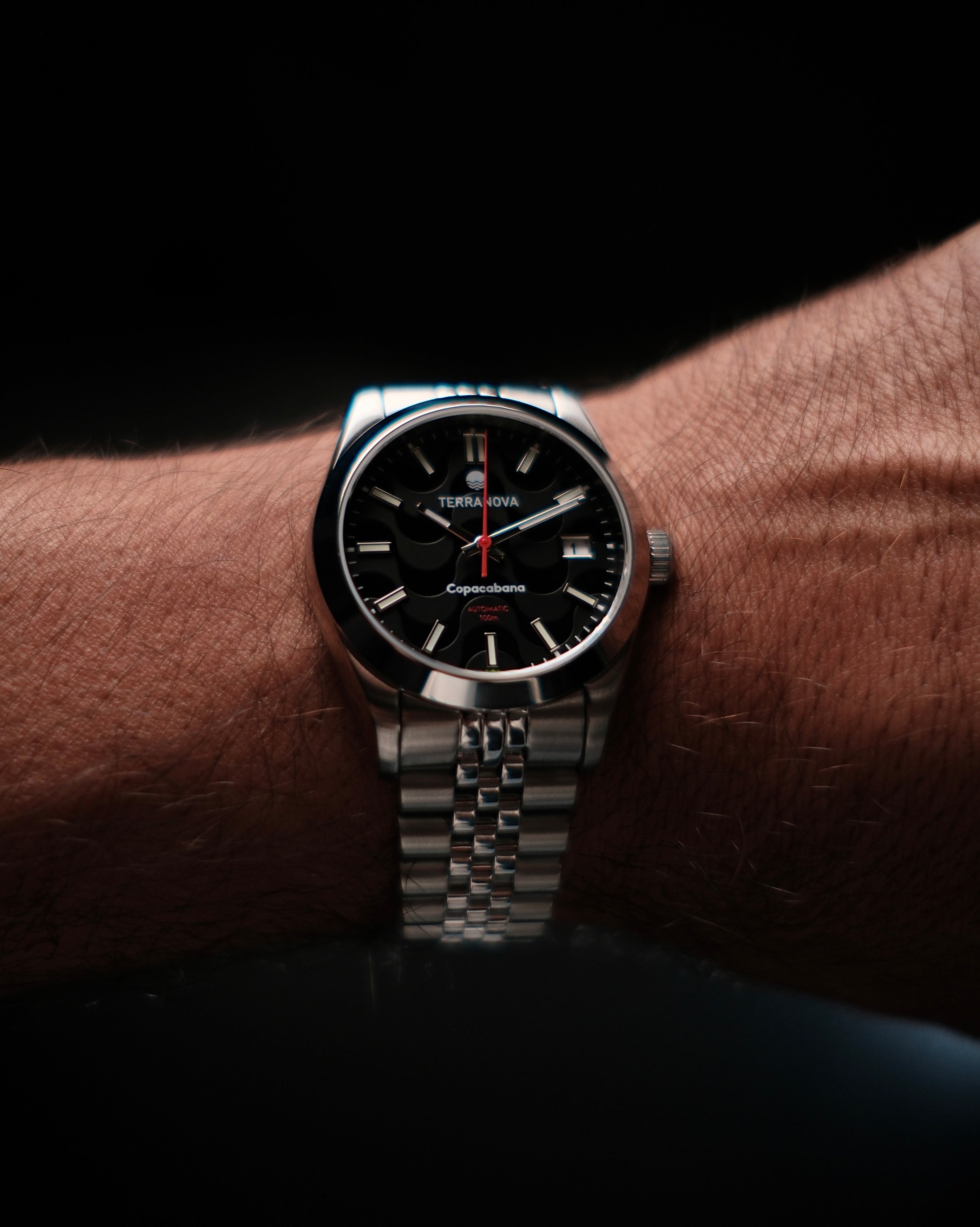
    Terranova Watches (founded 2019) ties its watchmaking directly to Brazilian identity, with collections drawing on local heritage and the nation’s deep love of motorsport. It’s a clear example of the design-first approach that defines the new Brazilian scene — using watches as a canvas for cultural storytelling.

    Dan Henry (founded 2016) may be the most internationally recognized name with Brazilian roots. Created by Dan Henry, a Brazilian vintage-watch curator, the brand reissues affordable, vintage-inspired designs that pull from decades of horological history. Its accessible pricing and faithful retro spirit have earned it a loyal global following.

    ACTO (founded 2020) is the country’s boldest luxury experiment. Based in Porto Alegre and assembled at a factory in Manaus, ACTO chases a high-end positioning that no Brazilian brand had seriously attempted before, leaning on scarcity-driven, numbered drops and premium pricing.

    The watches run Japanese Miyota movements — worth noting, since the brand’s “Swiss” framing actually refers to its Super-LumiNova and audited component suppliers, as tryanywatch reports — but the final assembly happening in Brazil is more than most brands in its bracket can claim. Designs like the Angra, a tribute to the 365 islands of Angra dos Reis, lean unapologetically local.

    Roue (founded 2017) stands out for the discipline of its design language. Built around a strong visual identity and remarkable consistency across collections, it reflects the eye of a founder steeped in vintage watches, classic cars, and mid-century design. In a scene where distinctive aesthetics are everything, Roue’s coherence makes it a reference point.

    Corso Watches (founded 2018) takes a more grounded approach. Based in Porto Alegre, Corso concentrates on quality daily-wear pieces tailored to the Brazilian market, emphasizing solid construction and sapphire crystal. It’s the kind of dependable, well-built proposition that broadens the appeal of homegrown watchmaking beyond collectors.

    The Major Houses

    Long before the microbrand boom, Brazil already had a domestic watch industry — built on accessibility and scale rather than haute horlogerie.

    Technos (founded 1956) is the country’s largest domestic watch brand, with a sprawling catalog and a high-profile role as the official timekeeper of major sporting events. For generations of Brazilians, a Technos was a first “real” watch — a household name woven into the national fabric.

    Condor (founded 1962) shares corporate roots with Technos and stakes out the fashion-forward end of the market. Its strength is delivering trend-conscious designs at accessible prices, making it a fixture in Brazilian retail and a gateway for everyday wearers.

    Magnum Watches (founded 1985) caters to the active and outdoorsy, building sporty, durable watches with a focus on dive-style and field designs. Rugged and approachable, Magnum rounds out the picture of a domestic industry built to serve real Brazilian lives.

    Where To Find Them

    Brazil’s horological story is being written in real time. The major houses gave the country a familiar relationship with the wristwatch; the new microbrands are giving it ambition — enamel dials fired in local ateliers, luxury-priced drops assembled in the Amazon, and designs that wear their brasilidade with pride. There’s no centuries-old tradition to lean on here, which makes everything happening now feel like a first chapter. We’ll be watching to see where it goes.

    Why this watch, on this wrist?

  • The Watchmakers of the United States

    The Watchmakers of the United States

    WATCHES BY THE COUNTRY

    The Watchmakers of the United States

    From frontier railroad precision to a scrappy microbrand renaissance, America has never stopped telling time on its own terms.

    Timex watch

    Image: Timex

    There was a moment—stretching across the 19th and early 20th centuries—when the United States set the global standard for industrial watchmaking. Names like Waltham, Elgin, and Hamilton churned out rugged, precise pocket watches that kept railroads running on time and soldiers synchronized in the field. American mass production was, for a while, the envy of the world. Then came the upheaval: Swiss craft on one flank, the quartz revolution and Japanese efficiency on the other, and much of the domestic industry quietly went dark.

    But the story didn’t end there. In 2026, American watchmaking is in the middle of one of its most exciting chapters in a century. A handful of heritage giants endured the lean years, while a new generation of independents, artisans, and direct-to-consumer microbrands has pulled design, assembly, and even movement production back onto American soil. The result is a scene that’s diverse, inventive, and refreshingly unbothered by convention.

    The Makers

    Heritage Houses

    Timex is America’s most recognizable name in watches, and for good reason. Founded in 1854 as the Waterbury Clock Company in Connecticut, the brand built its reputation on dependable, affordable timepieces and the famous promise that one “takes a licking and keeps on ticking.” For more than 170 years, Timex has put a reliable watch on the wrist of just about everyone.

    Bulova, founded in New York City in 1875, is a cornerstone of American horological heritage and a genuine innovator. The brand is credited with airing the world’s first commercial radio advertisement, and it later changed timekeeping forever with the Accutron tuning-fork movement—an electronic marvel that hummed where others ticked.

    Shinola, founded in 2011, planted its flag in Detroit, a city synonymous with American industry. By assembling its watches in a Detroit factory, Shinola helped reintroduce the idea of an “American watch” to a modern audience and has become arguably the most recognized name in that conversation today.

    The Gold Standard

    RGM Watch Co., based in Mount Joy, Pennsylvania, has held the title of America’s finest watchmaker since 1992. Working from a small workshop, RGM produces in-house calibers and meticulously hand-finished cases—the kind of high-horology craft most assumed had left these shores for good. For collectors who want serious American watchmaking, RGM is the benchmark.

    Shinola watch

    Image: Shinola

    The Microbrand Renaissance

    Oak & Oscar, founded in Chicago in 2015, has built a devoted following through thoughtful, detail-obsessed design and a transparency that collectors clearly value. Pair that with consistently praised customer service, and you have one of the most respected independents in the country.

    Traska, launched in Florida in 2018 by Jon Mack, has rocketed up the ranks of fan-favorite American microbrands. Its calling cards are hardened stainless steel cases that shrug off scratches and a level of build quality that punches well above its weight.

    Vortic Watch Company, founded in Fort Collins, Colorado in 2013, occupies a category all its own. Rather than chasing the new, Vortic rescues antique American pocket watch movements and repurposes them into modern wristwatches—a literal act of preserving the country’s horological heritage on the wrist.

    The Artisan

    J.N. Shapiro, the California-based independent founded in 2017 by Josh Shapiro, has earned international acclaim for the kind of work usually reserved for the highest tiers of Swiss craft. His mastery of guilloché dial engraving is exceptional, and his Resurgence model notably features a California-made movement—a striking statement of what American independent watchmaking can achieve.

    Where to Find Them

    The United States may have ceded its industrial crown decades ago, but the spirit that built Waltham and Elgin never really disappeared—it just went looking for new workshops. From Connecticut and New York to Detroit, Pennsylvania, Colorado, and California, American watchmaking in 2026 is a patchwork of heritage, ingenuity, and grit. Whether you want a $50 field watch or a hand-engraved domestic caliber, there’s an American maker building it—and that range is precisely what makes this scene so exciting.

    Brand facts and the 2026 American landscape informed in part by Teddy Baldassarre’s “The 25 Best American Watch Brands (2026)” (teddybaldassarre.com).

    Why this watch, on this wrist?

  • The Watchmakers of Japan

    The Watchmakers of Japan

    WATCHES BY THE COUNTRY

    The Watchmakers of Japan

    From a 1969 quartz lightning bolt to hand-lacquered dials in Kyoto, this is horology that bends precision to poetry.

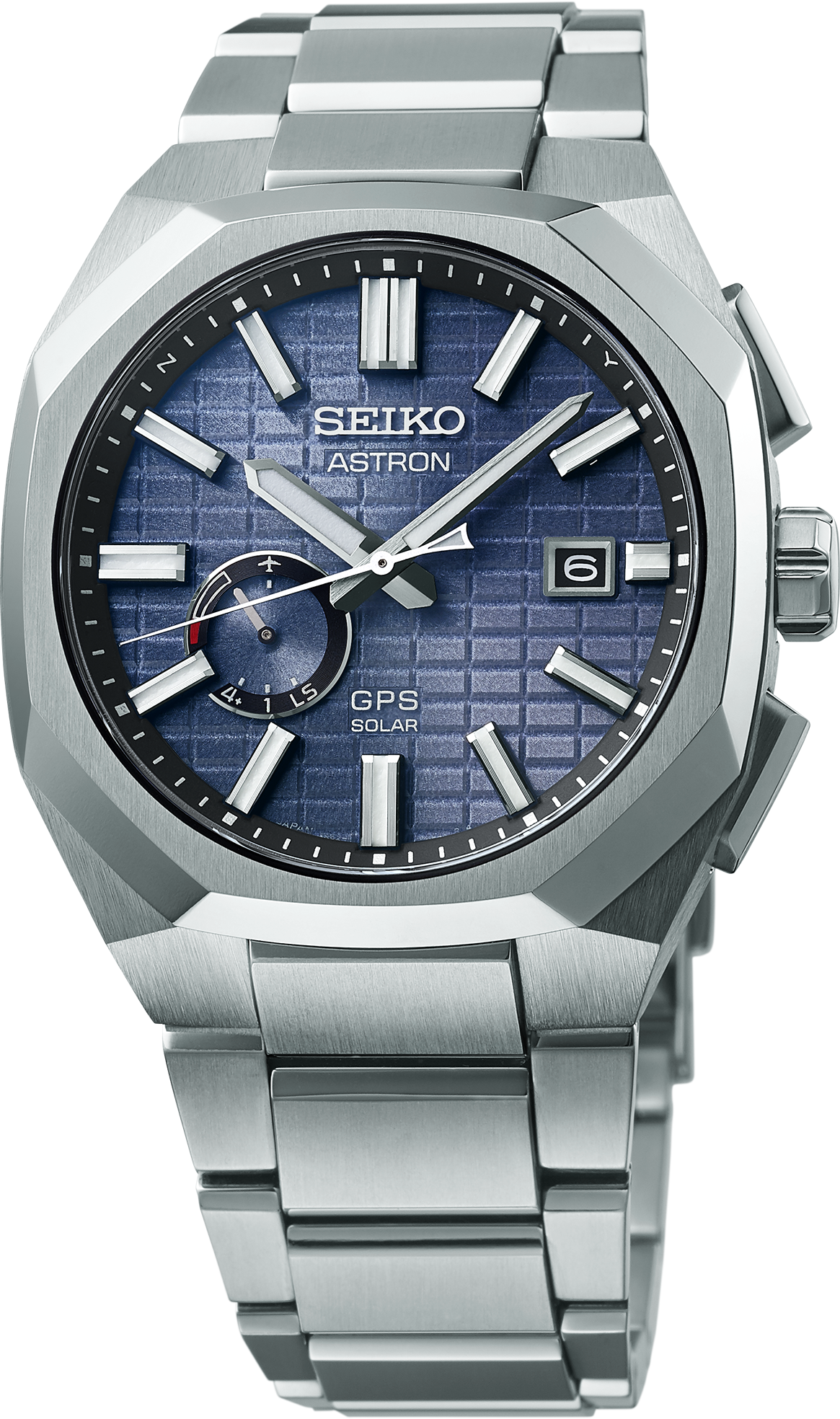
    Seiko watch

    Image: Seiko

    Few nations have rewritten the rules of timekeeping as decisively as Japan. In 1969, Seiko unveiled the Astron — the world’s first commercially available quartz wristwatch — and the tremor that followed reshaped the entire global industry. But to read Japan only as the home of the quartz revolution is to miss the larger story. This is also the country that gave us solar-powered Eco-Drive, the hybrid genius of Spring Drive, and a watchmaking culture that treats a dial as a canvas for centuries-old craft.

    Today Japan operates on two grand registers at once. The “Big Three” of Seiko, Citizen and Casio still dominate the world’s volume markets with watches built on honest value, while houses like Grand Seiko and Credor compete at the loftiest luxury tier with finishing that rivals anything in Switzerland. Beneath them, a growing wave of independents and microbrands — from architectural sapphire cases to hand-mixed urushi — is winning international acclaim and expanding what “Made in Japan” can mean.

    The Major Houses

    Seiko (founded 1881) is the oldest and most historically significant Japanese watch brand, and the one that changed everything with the Astron in 1969. It later introduced the revolutionary Spring Drive movement, which marries mechanical power with electronic regulation. Seiko’s range is almost absurdly broad, running from the entry-level Seiko 5 all the way up to its prestige Grand Seiko division.

    Grand Seiko (founded 1960) is Seiko’s haute marque, celebrated the world over for its mirror-bright Zaratsu-polished cases and richly textured dials drawn from Japanese nature. Its proprietary Spring Drive calibre, blending mechanical heart and electronic precision, remains one of horology’s most distinctive achievements.

    Citizen (founded 1918) pioneered Eco-Drive solar-powered technology and is the parent of the Miyota movement division, whose calibres (the 8215 and 9016 among them) quietly power microbrands across the planet. In 2019 its Caliber 0100 quartz movement claimed an extraordinary accuracy of ±1 second per year.

    Orient (founded 1950), now part of the Seiko Group, is beloved for delivering in-house automatic movements at remarkably accessible prices. Its Bambino dress watches and Mako divers are perennial gateways for enthusiasts taking their first step into mechanical watchmaking.

    Credor (founded 1974) is the Seiko Group’s ultra-luxury marque, producing high complications and jewellery watches chiefly for the Japanese domestic market. Its dials showcase traditional crafts such as Shippo enamel and Urushi lacquer, placing it firmly in the rarefied air of artisanal high horology.

    Minase (founded 2005), backed by precision-machining firm Kyowa & Co. (itself founded in 1963), is prized for architecturally distinctive multi-sapphire-crystal case construction — most famously the Five Windows model. It is a showcase of Japanese manufacturing precision applied to genuinely original design.

    The Independents & Microbrands

    Kurono Tokyo (founded 2018) springs from the hand of Hajime Asaoka — a Gendai no Meiko, or honored modern master craftsman, and an AHCI member. Kurono offers Art Deco–inspired timepieces with hand-mixed lacquer and urushi dials at more attainable prices than Asaoka’s atelier pieces, and has collected multiple GPHG nominations along the way.

    Knot (founded 2014) is a Tokyo-based, direct-to-consumer maker producing fully Japan-made watches — cases, dials and assembly all domestic. Its dials display traditional Maki-e techniques, with gold and platinum powdering applied entirely by hand, proving that artisanal craft can live at accessible prices.

    Kuoe Kyoto (founded 2020) assembles its watches in a Kyoto workshop around Japanese Miyota movements, offering vintage- and military-inspired designs at approachable prices. As WatchTime notes in its survey of Japanese microbrands (watchtime.com), Kuoe stands apart from many small makers by listing stockists worldwide and operating a flagship store in Kyoto, with a second boutique in Tokyo’s Omotesando district.

    Where to Find Them

    Japan’s genius lies in its refusal to choose between extremes. It is a place where a humble, beloved Seiko 5 and a hand-lacquered Credor share the same national lineage — where engineering precision and centuries-old craft are not opposites but collaborators. Whether you arrive through a few-hundred-dollar microbrand or a Spring Drive flagship, the journey through Japanese watchmaking is one of constant, rewarding discovery.

    Why this watch, on this wrist?

  • The Watchmakers of Switzerland

    The Watchmakers of Switzerland

    WATCHES BY THE COUNTRY

    The Watchmakers of Switzerland

    Where mountain valleys hum with gear trains, and three centuries of patience are measured in fractions of a second.

    No country owns the language of time quite like Switzerland. From Geneva’s lakeside workshops to the snowbound hamlets of the Vallée de Joux, the so-called Jura Arc has been the beating heart of fine watchmaking for over three hundred years. Its geography is its destiny: long alpine winters once gave isolated farming families the hours to assemble movements by candlelight, and that cottage industry hardened, generation by generation, into the most concentrated horological ecosystem on earth — case makers, dial specialists, hairspring foundries and master finishers, all within a few valleys of one another.

    Today Switzerland accounts for the overwhelming majority of the world’s high-value watch exports, protected by strict “Swiss Made” rules and an unrivalled depth of in-house craft. But the country’s genius isn’t only its giants. It runs the full spectrum — from family dynasties that have never been bought, to ateliers producing a handful of watches a year, to nimble young microbrands rewriting the rulebook. Here is a field guide to nine names that show that range.

    The Holy Trinity & the Great Houses

    Patek Philippe (founded 1839) is Geneva’s family-owned crown jewel and a pillar of watchmaking’s “Holy Trinity.” Famed for perpetual calendars, minute repeaters and the immortal Nautilus and Calatrava, its movements set the global benchmark for finishing and complication. To own one is, in the brand’s own mythology, merely to look after it for the next generation.

    Audemars Piguet (founded 1875) sits in Le Brassus, deep in the Vallée de Joux, and completes that trinity. In 1972 it detonated the luxury sports-watch category with the Royal Oak — Gérald Genta’s octagonal, bolt-faced provocation. Remarkably, it remains fully independent and family-controlled to this day.

    Girard-Perregaux (founded 1791) is one of the oldest continuously operating Swiss manufactures, based in La Chaux-de-Fonds. It builds its movements entirely in-house and is celebrated for the Laureato and the spellbinding Tourbillon with Three Gold Bridges — a piece of architecture as much as horology. For decades it also supplied movements to other prestigious names.

    Schaffhausen, Le Brassus & the Connoisseur’s Choices

    H. Moser & Cie (founded 1828) was revived in Schaffhausen in the 2000s and has become a collector’s darling. Its smoky fumé gradient dials and in-house Straumann hairsprings are matched by a mischievous independent streak — including the now-legendary “Swiss Mad Watch,” a case made literally from Swiss cheese, a tongue-in-cheek jab at “Swiss Made” rules.

    Greubel Forsey (founded 2004) operates at the absolute summit of contemporary haute horology. From La Chaux-de-Fonds, Robert Greubel and Stephen Forsey build extraordinarily complex multi-axis tourbillons and inclined regulators in tiny numbers, with hand-finishing so obsessive it has rewritten what collectors consider possible.

    The Accessible End of Swiss Luxury

    TAG Heuer (founded 1860) keeps the door to Swiss luxury open at a friendlier altitude. Based in La Chaux-de-Fonds and owned by LVMH, it is synonymous with motorsport timing and the iconic Carrera and Monaco chronographs — and remains one of the most recognised watch names on the planet.

    Oris (founded 1904) is among the few independent Swiss companies of real scale. From its base in Hölstein it pursues a mechanical-only policy, keeps prices honest, and channels genuine environmental advocacy through its Aquis dive and ProPilot aviation collections — proof that integrity and accessibility can coexist.

    The New Guard

    Formex (founded 1999) has earned a fiercely loyal following from Biel/Bienne with its patented floating-case suspension system and COSC-certified movements at prices that embarrass the competition. The Essence and Reef GMT punch far above their weight.

    NORQAIN (founded 2018), based in Nidau near Biel/Bienne, is the upstart in good company. Launched by Ben Küffer with co-founders Ted Schneider and Mark Streit — and advised by the legendary Jean-Claude Biver — it targets active lifestyles with the Wild ONE collection and its proprietary NORTEQ carbon-fibre polymer case.

    Where to Find Them

    Patek Philippe — patek.com
    Audemars Piguet — audemarspiguet.com
    Girard-Perregaux — girard-perregaux.com
    H. Moser & Cie — h-moser.com
    Greubel Forsey — greubelforsey.com
    TAG Heuer — tagheuer.com
    Oris — oris.ch
    Formex — formexwatch.com
    NORQAIN — norqain.com

    Switzerland’s strength has never been a single style — it is the spectrum. The same valleys that produce million-franc tourbillons also turn out the COSC diver you’ll actually wear in the surf. Whether your idea of horology is a family heirloom or a carbon-cased adventure watch, the Jura Arc has spent three centuries making sure it does it best. Until next country — keep watching.

    Founding facts and company details drawn from Wikipedia’s List of Swiss watch manufacturers.

    Why this watch, on this wrist?

  • France’s Horological Revolution: The Birthplace of Watchmaking Reclaims Its Legacy

    France’s Horological Revolution: The Birthplace of Watchmaking Reclaims Its Legacy

    Horology — Around the World

    France’s Horological Revolution: The Birthplace of Watchmaking Reclaims Its Legacy

    Long before Switzerland became synonymous with fine timepieces, it was Paris that stood at the centre of the horological universe. Today, a new generation of French watchmakers is writing the next chapter — blending centuries of heritage with independent spirit and modern design.


    When collectors think of watchmaking capitals, Geneva and the Vallée de Joux come to mind first. But the story of mechanical timekeeping begins not in Switzerland — it begins in France. In the late 1770s, three of the most celebrated watchmakers in history — Ferdinand Berthoud, Jean-Antoine Lépine, and the young Abraham-Louis Breguet — kept workshops within steps of each other on the Place Dauphine, at the western tip of Paris’s Île de la Cité. Between them, they invented the thin-cased pocket watch, the tourbillon, and the self-winding movement. For a brief, extraordinary period, Paris was the undisputed heart of world horology.

    That golden age didn’t last. The revocation of the Edict of Nantes in 1685 drove Huguenot craftsmen — many of them watchmakers — across the border into Geneva and the Jura, essentially seeding the Swiss industry as we know it. The French Revolution further disrupted the luxury trades in Paris. And while brilliant individual makers like Louis Moinet and Louis Leroy carried the flame into the nineteenth century, the centre of gravity in watchmaking had permanently shifted south.

    But something has changed in the past two decades. A new wave of French brands — some heritage names revived, others born on Kickstarter — is quietly rebuilding a national watchmaking identity. They draw on a distinctly French sensibility: design-forward thinking, a couture-like attention to proportion and material, and a willingness to look beyond Switzerland for both movements and inspiration. For collectors willing to explore beyond the traditional Swiss establishment, France is one of the most interesting watch scenes in the world right now.

    This is the second instalment of our Horology — Around the World series. The first explored Canada’s quiet watchmaking renaissance. Now we turn to the country that started it all.

    Three brands stand out as defining the modern French watch landscape: Yema, Baltic, and Pequignet. Together they represent heritage revival, microbrand ambition, and genuine manufacture capability — three currents that make this scene so compelling.


    Yema

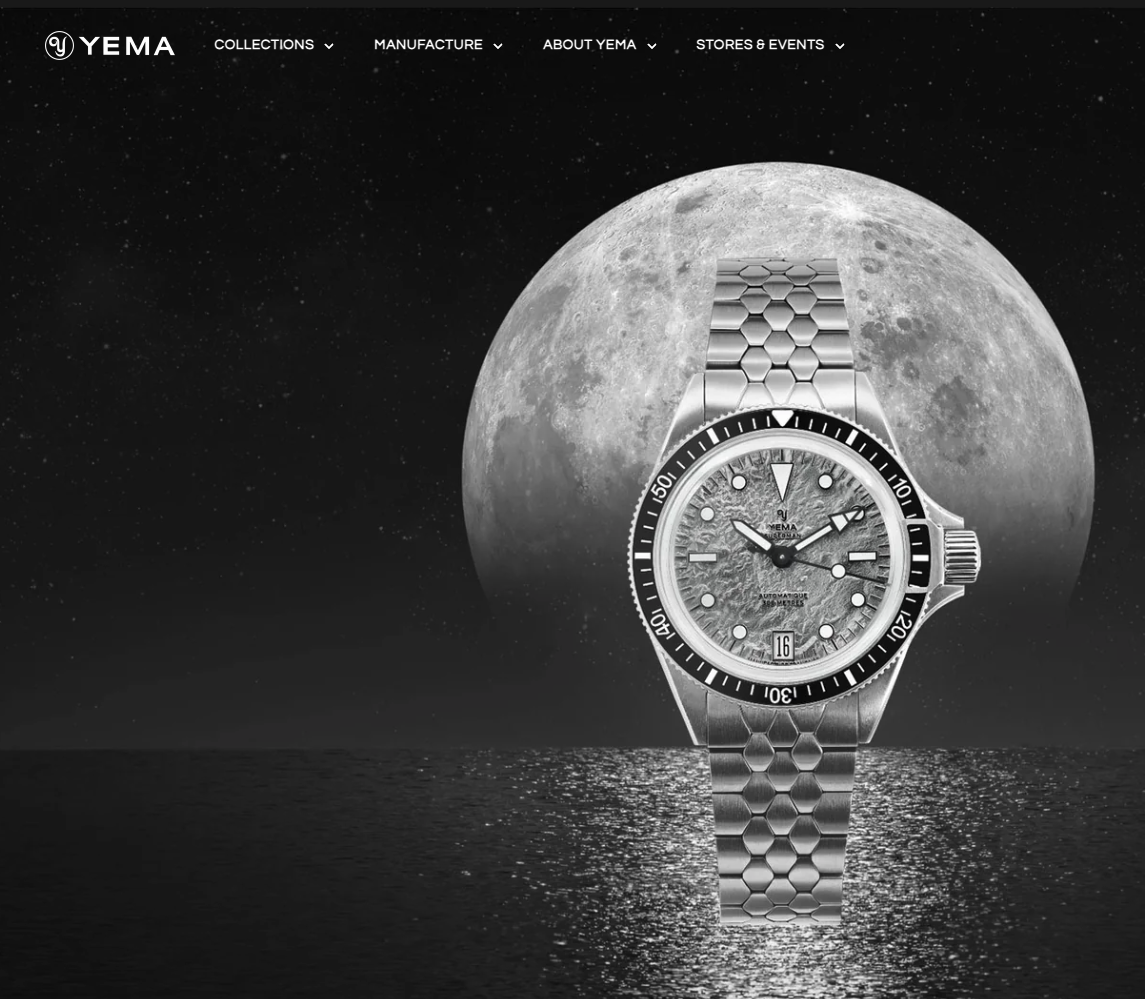
    Founded in 1948 by Henry Louis Belmont — a graduate of the prestigious National Watchmaking School of Besançon — Yema is perhaps France’s most historically significant independent watch brand. From its base in Morteau, in the Franche-Comté region near the Swiss border, Yema produced timepieces that didn’t just sell well — they went places. A Yema Superman was strapped to the wrist of French Air Force pilots in the 1960s. A Yema Flygraf rode into space aboard the first Franco-American orbital mission. And in 1987, explorer Nicolas Hulot wore a Yema across 800 kilometres of North Pole ice.

    31105265064?profile=RESIZE_400x

    The brand survived the quartz crisis — barely — passing through ownership by Matra and 

    then Seiko before returning to French hands in 2004. Today, managed by the Bôle family (a third-generation watchmaking lineage), Yema has done something rare among revived heritage brands: it h

    as developed genuine in-house movements. The CMM.10 automatic, CMM.20 micro-rotor, and CMM.30 tourbillon calibres are all designed, developed, and assembled in Morteau. That places Yema alongside Pequignet as one 

    of only two French brands producing proprietary mechanical movements — a distinction that even most mid-tier Swiss brands cannot claim.

    For collectors, the Superman Heritage diver and the Flygraf pilot’s chronograph remain the essential entry points. Both channel the brand’s mid-century DNA while meeting modern expectations for materials and finishing. Prices range from roughly €400 for quartz heritage pieces to €3,000 and above for in-house mechanical references — positioning Yema as one of the strongest value propositions in the entire watch industry.

    Baltic

    If Yema represents the long arc of French horological heritage, Baltic represents its future. Founded in 2016 by Etienne Malec — a Parisian whose father grew up along the coast of Poland’s Baltic Sea — the brand launched via Kickstarter in 2017 and has since become one of the most admired microbrands in the world, selling into more than 150 countries.

    Baltic’s appeal lies in a design philosophy that feels unmistakably French: vintage-inflected but never pastiche, understated but rich with considered details. The Aquascaphe diver, with its sector-dial options, domed crystals, and compact 39mm cases, has become a modern classic. The MR01 dress watch, featuring oversized applied Breguet numerals — a deliberate nod to France’s greatest historical watchmaker — manages to be both an homage and something entirely contemporary. Every watch is assembled, adjusted, and tested by hand in the brand’s atelier in Besançon, the spiritual home of French watchmaking.

    In a sign of growing ambition, Baltic recently debuted its Experiments line: a perpetual calendar developed in collaboration with the artisan watchmakers at Maclef (founded by Emmanuel Bouchet), powered by an ultra-thin Vaucher micro-rotor movement. It’s the kind of piece that would have been unimaginable from a French microbrand five years ago — and it signals that Baltic’s trajectory is still sharply ascending. Prices for the core collection run from around €420 to €2,100, with limited editions and the Experiments line reaching higher.

    Pequignet

    If any single brand makes the case that France can compete with Switzerland on pure watchmaking substance — not just design — it is Pequignet. Founded in 1973 by Émile Pequignet in Morteau, the company spent its first three decades producing well-made quartz and Swiss-movement watches. But in the early 2000s, under new ownership, Pequignet embarked on an audacious project: building a fully French mechanical movement from scratch.

    The result was the Calibre Royal, introduced around 2011 — the first high-end mechanical calibre designed and assembled entirely in France in modern memory. It’s no token effort: the Calibre Royal features a variable-inertia free-sprung balance (a hallmark of haute horlogerie regulation), a patented winding system, an innovative oversized barrel delivering 88 hours of power reserve, and traditional hand-finishing including perlage, Côtes de Genève, and colimaçonnage. The movement contains eight patented systems and is regulated to chronometric precision.

    Pequignet’s path has not been smooth — the brand weathered financial difficulties and receivership before stabilising — but today the Royale Paris collection, housing the Calibre Royal, retails from around €8,000 to €10,000 for steel references. That places it in direct competition with well-established Swiss manufacture brands, at prices that represent genuinely strong value given the level of in-house engineering. For collectors who appreciate movement-making as the ultimate expression of horological credibility, Pequignet is an essential name to know.


    More French Brands Worth Knowing

    Beyond the three featured brands, several other French watchmakers help define the country’s diverse horological landscape:

    Bell & Ross · Paris

    Founded in 1992 by Bruno Belamich and Carlos Rosillo, Bell & Ross is best known for its bold, instrument-panel-inspired designs rooted in military and aviation aesthetics. The iconic BR 03 square case has become one of the most recognisable silhouettes in modern watchmaking. Though production takes place in Switzerland (making them technically “Swiss Made”), the brand’s design DNA and headquarters are firmly Parisian.

    Herbelin · Charquemont, Franche-Comté

    A family-owned brand since its founding by Michel Herbelin, now run by the third generation. Herbelin designs, assembles, and tests all its watches in the Franche-Comté region near the Swiss border. The Cap Camarat collection — an integrated-bracelet sport-luxury design descended from 1960s aesthetics — has earned the brand wider attention among collectors who appreciate French-assembled quality at accessible price points.

    BRM (Bernard Richards Manufacture) · Magny-en-Vexin, Northern France

    One of the few independent French luxury watchmakers producing all components in-house — cases, dials, and movement guards machined from solid blocks and finished by hand. Founded in 2003 by motorsport enthusiast Bernard Richards, BRM produces roughly 2,000 watches per year, all infused with automotive DNA: tire-tread straps, piston pushers, dashboard dials. Their online Watch Configurator lets buyers personalise almost every element.

    Lip · Besançon

    In operation since 1867, Lip is one of France’s oldest surviving watch brands and producer of the world’s first electric watch. Its mid-century designs — particularly pieces from the 1960s and 1970s — have a dedicated vintage following. Today the brand offers a range of quartz and mechanical models that blend retro French style with everyday wearability.

    Dodane · Morteau

    A family-owned company tracing its roots to 1857, Dodane specialises in aviation chronographs engineered to military specifications. Dodane has supplied the French armed forces for decades, and its Type 21 flyback chronograph is among the most respected pilot’s watches produced outside Switzerland.

    BeauBleu · Paris

    Established in 2017 by designer Nicolas Ducoudert, BeauBleu is immediately recognisable for its signature circular-shaped hands that appear to float above the dial. Conceived, designed, and assembled in Paris, BeauBleu watches use Japanese Miyota automatics for the core line, while the limited-edition Seconde Française models contain a French-made movement by France Ébauche in collaboration with Switzerland’s Soprod — a rare example of genuine Franco-Swiss movement collaboration.

    Charlie Paris · Paris

    Founded in 2014, Charlie Parisassembles all its watches in France and has built a following for durable, elegant, and affordable timepieces that foreground French design and craftsmanship. Their focus on sustainability and direct-to-consumer sales reflects the values of a new generation of watch buyer.

    Depancel · France

    Launched via Kickstarter in 2018 by Clément Meynier — a former nuclear researcher at CERN turned watchmaker — Depancelbrings an inventive, science-minded approach to French watch design. The brand’s colourful, contemporary sport watches have found an audience among collectors looking for something off the beaten path.

    Fugue · Paris

    Founded in 2017, Fugue’s defining innovation is a patented modular case system: the watch splits into two halves via a ball-bearing mechanism, allowing owners to swap case tops and strap frames without tools. It’s a thoroughly modern concept wrapped in neo-classical design — and a distinctly French take on personalisation.


    “Unlike in Switzerland, everything the French invented was recognized by the king, so there was a real incentive to excel.”
    — Karl-Friedrich Scheufele, co-president of Chopard

    A Note on “French-Founded” vs. “French-Made”

    Any honest survey of French watchmaking must acknowledge a persistent tension. Several of the most famous names associated with France — Cartier, Hermès, Louis Vuitton, Breguet, F.P. Journe — are French-founded or French-owned but manufacture their watches in Switzerland under the “Swiss Made” designation. Breguet itself, founded by Abraham-Louis Breguet in Paris in 1775, moved production to the Vallée de Joux in 1976 and is now a subsidiary of the Swatch Group. Cartier, though headquartered in Paris and perhaps the most globally recognised French luxury name in horology, produces through the Richemont group’s Swiss facilities.

    This distinction matters. The brands featured in this article — Yema, Baltic, Pequignet, Herbelin, BRM, Lip, Dodane, BeauBleu, and others — are not simply French by passport. They design, assemble, and in some cases build movements on French soil. They represent something more specific than French luxury branding: they represent French-made watchmaking. An estimated 25 percent of the Swiss watch industry’s workforce actually consists of French nationals who cross the border daily to work in Swiss ateliers. The knowledge and skill exist in abundance. What these brands are proving is that the ambition to build at home does, too.


    Why French Brands Are Worth Your Attention

    What makes the current French watch scene so compelling is the combination of deep historical roots and fresh creative energy. These are not brands borrowing a heritage narrative — France genuinely invented many of the horological principles that the Swiss industry later industrialised. The tourbillon, the thin-cased watch, the self-winding mechanism, the shock-protection device: all French innovations. That history gives today’s French makers a foundation of legitimacy that few other countries outside Switzerland can claim.

    At the same time, the modern French approach tends to be less reverential and more experimental than its Swiss counterpart. Brands like Baltic and Fugue embrace crowdfunding and direct-to-consumer models. Depancel brings a scientist’s curiosity to watch design. BeauBleu treats the watch hand — usually an afterthought — as the defining design element. And Pequignet and Yema have each invested years in developing genuinely proprietary French movements, pushing against the assumption that serious calibre-making must happen in Switzerland.

    For collectors, the practical appeal is strong. Many of these brands offer mechanical watches with considered design, solid build quality, and assembly in historic French ateliers — often at prices significantly below comparably specified Swiss alternatives. In an industry where heritage is currency, France holds more of it than almost anyone. The difference is that, for now, the rest of the world is only beginning to notice.

    For collectors exploring watches from around the world, France is more than a rediscovery — it is a homecoming. The country that gave the world the tools of modern timekeeping is once again building watches worthy of that legacy. And for those paying attention, the best may be yet to come.


    Why this watch, on this wrist?

  • America’s Watchmaking Revival: From Factory Floors to Microbrands

    America’s Watchmaking Revival: From Factory Floors to Microbrands

    Horology — Around the World

    America once rivalled Switzerland in watchmaking output. The industry collapsed, but a new generation — from haute horlogerie makers in Pennsylvania to microbrands in Chicago and vintage restorers in Colorado — is quietly bringing it back.


    This is the fourth instalment of our Horology — Around the World series, following features on Canada, France, and Norway. Of the countries we’ve covered so far, the United States presents the most dramatic arc: a nation that was once one of the world’s dominant watchmaking powers, lost the industry almost entirely, and is now in the midst of a revival unlike anything happening elsewhere.

    In the late 19th and early 20th centuries, American companies like Elgin, Waltham, Hamilton, and Illinois produced millions of precision timepieces. The United States pioneered interchangeable parts and mass production in watchmaking — techniques so advanced that Swiss manufacturers sent delegations across the Atlantic to study them. At its peak, American watchmaking employed thousands and supplied pocket watches and wristwatches to railroads, the military, and everyday consumers across the country.

    Then it ended. The combination of two world wars, shifting economics, the quartz revolution of the 1970s, and intense competition from Japan and Switzerland hollowed out the American watch industry. Factories closed. Heritage brands were acquired by foreign groups or simply disappeared. By the late 20th century, there was essentially no volume mechanical watchmaking left on American soil.

    What exists today is something different: not a return to mass production, but a patchwork of passionate independent makers, ambitious microbrands, and a handful of companies attempting genuine domestic manufacturing. The American watch scene in 2026 is messy, diverse, and full of energy — and it raises a fascinating question that no other country’s watch industry has to wrestle with quite so directly: what does “American-made” actually mean?


    The Makers: Genuine American Manufacture

    31128174461?profile=RESIZE_710xRGM Watch Co. · Lancaster County, Pennsylvania

    If any single brand embodies the ambition to make a truly American watch, it is RGM. Founded in 1992 by Roland G. Murphy — a trained watchmaker and former Technical Manager at Hamilton — RGM operates in Lancaster County, Pennsylvania, one of the country’s ancestral watchmaking centres. In 2008, Murphy produced the Caliber 801, the first high-grade mechanical movement made in the United States in more than 40 years, with nearly all components domestically sourced. He followed it in 2010 with the Caliber MM2 — the Pennsylvania Tourbillon — the first serially produced American tourbillon movement in history. RGM is the only vertically integrated American brand designing and producing movements, dials, cases, and guilloché work in-house. Prices reflect the haute horlogerie positioning, reaching $11,000 and above, but this is genuine American manufacture at its most uncompromising.

    Weiss Watch Company · Los Angeles, California

    Cameron Weiss trained in Switzerland before returning to Los Angeles to found his brand in 2013 with an unusually pure mission: build as much of the watch as possible in America. Weiss manufactures movement components in-house, machines cases domestically, and hand-assembles and regulates every watch in his LA workshop — each one taking over 60 hours. The 38mm Standard Issue Field Watch, with its clean military-inspired dial and Weiss Caliber 1003 movement, is among the most genuinely American-made mechanical watches you can buy. Prices start around $1,000, an accessible entry point for domestic manufacture of this calibre.

    31128175063?profile=RESIZE_710x

    Vortic Watch Company · Fort Collins, Colorado

    Vortic takes the most unusual approach in American watchmaking: it rescues vintage pocket watch movements from defunct American brands — Elgin, Waltham, Illinois, Hamilton — services and restores them, and rehouses them in custom-milled wristwatch cases produced in its Colorado factory. The result is a one-of-a-kind timepiece with a 19th- or early 20th-century American heart beating inside a modern case. Vortic survived a five-year legal battle with the Swatch Group (which now owns the Hamilton name) defending its right to re-engineer these historic movements, a fight that demonstrated the brand’s determination. The watches run large — often 45mm or more, given their pocket watch origins — and prices start around $4,000. For collectors who value historical provenance and American industrial heritage, there is nothing else quite like a Vortic.


    “Made in USA” means that “all or virtually all” the product has been made in America. That is, all significant parts, processing, and labor that go into the product must be of U.S. origin.
    — U.S. Federal Trade Commission

    The Assemblers: Built in America

    Between the genuine manufacturers and the design-only microbrands sits an important middle category: brands that assemble watches on American soil, employing local workers, but source most components internationally. This is where the “Made in America” question gets complicated — and where some of the country’s most visible watch brands operate.

    Shinola · Detroit, Michigan

    Founded in 2011 by Fossil co-founder Tom Kartsotis, Shinola set up operations in a former automotive research lab in downtown Detroit with a mission to revive American manufacturing. The brand’s flagship Runwell collection and its subsequent expansion into a full lifestyle brand (bicycles, leather goods, jewellery) made Shinola the most commercially visible name in the American watch revival. However, the FTC challenged Shinola’s early “Where American Is Made” marketing, ruling that the watches — assembled in Detroit from Swiss, Chinese, and Thai components — did not meet the “all or virtually all” standard for a “Made in USA” claim. Shinola pivoted to “Built in Detroit” language. Whatever the labelling debate, the brand employs hundreds of workers in Detroit, uses both quartz and Sellita mechanical movements, and has brought genuine public attention to the idea of American watchmaking. Prices start well under $1,000 for quartz models.

    Timex · Middlebury, Connecticut

    Still headquartered in Connecticut after more than a century, Timex is the most enduring name in American watchmaking — even if its manufacturing is now globally distributed. The brand has experienced a genuine collector-driven resurgence through reissues like the Q Timex, the Marlin Automatic, and collaborations with fashion and design houses. Timex embodies the American ethos of straightforward, affordable functionality, and remains the entry point through which millions of people around the world encounter their first mechanical watch.


    Hamilton Watch Company · Founded Lancaster, Pennsylvania — Now Biel, Switzerland

    No brand in American watchmaking carries a more complicated legacy than Hamilton. Founded in 1892 in Lancaster, Pennsylvania — the same ancestral watchmaking county as RGM — Hamilton supplied precision timepieces to American railroads, outfitted both World Wars, and produced the futuristic Ventura in 1957, the world’s first electric wristwatch. The Ventura’s asymmetric case, designed to evoke the space age, remains one of the most distinctly American watch designs ever made. Hamilton moved production to Switzerland in 1969 and was eventually absorbed into the Swatch Group, which today manufactures Hamilton watches entirely in Biel. When Vortic Watch Company began rehousing vintage Hamilton pocket watch movements, the Swatch Group sued — a legal battle that Hamilton’s American founders would likely have found baffling. Hamilton now operates as a Swiss brand with an American story, its Khaki Field, Jazzmaster, and Ventura collections still drawing design inspiration from a heritage that its ownership no longer shares. It is, in that sense, the sharpest illustration of what the American watch industry lost — and why the work being done by RGM, Weiss, and Vortic matters so much.

    The Microbrands: Design, Community, and Value

    The largest and most dynamic segment of the American watch scene is its microbrands — small, independent companies that design watches in the US, typically source cases and movements from Swiss or Asian suppliers, and sell directly to enthusiast communities online. What they lack in domestic manufacturing they make up for in design originality, build quality, and an unusually close relationship with collectors. The best American microbrands don’t just sell watches — they build followings.

    Oak & Oscar · Chicago, Illinois

    Founded by Chase Fancher in 2015, Oak & Oscar has a full-time watchmaker on staff who assembles each watch — a level of hands-on involvement unusual among microbrands. The designs are clean, legible, and built around the idea of a one-watch collection: field watches, GMTs, and chronographs that work equally well in an office or on a trail. The brand has developed one of the strongest community followings in the American independent space.

    31128174052?profile=RESIZE_710x


    Lorier · New York, New York31128173470?profile=RESIZE_710x

    A husband-and-wife operation producing vintage-inspired sport watches with an emphasis on proportion, wearability, and details like integrated bracelets and acrylic crystals. Lorier’s Neptune and Falcon models routinely sell out within hours of release — a testament to design taste and collector trust.


    Other American microbrands worth knowing include Monta (St. Louis — Swiss-assembled sport watches with manufacture-grade finishing), Nodus (Los Angeles — robust divers and field watches at sharp prices), Vaer (built-in-USA assembly with Swiss and Japanese movements), Traska (compact, travel-ready sport watches in hardened steel), Brew (New York — retro chronographs inspired by coffee culture), Dan Henry (vintage-inspired collections with museum-quality presentation at accessible prices), and Helm (affordable, function-first tool watches designed by a former bicycle industry veteran).


    Why the American Scene Matters

    No other country in our series carries quite the same tension between past and present. America was a watchmaking superpower — and then, for decades, it wasn’t. The revival underway now is not a simple resurrection. It’s a reinvention, spread across at least three distinct tiers: the handful of makers doing genuine domestic manufacture (RGM, Weiss); the assemblers building watches and jobs on American soil (Shinola, Vaer); and the vast, energetic microbrand ecosystem designing compelling watches that happen to be made elsewhere. And then there is Hamilton — the most famous American watch brand in history, now Swiss-owned and Swiss-made, its Lancaster origins preserved in marketing copy rather than on any factory floor. Hamilton is less a participant in the American revival than a monument to what the industry lost, and a quiet argument for why the revival matters at all.

    The FTC’s strict “all or virtually all” standard for “Made in USA” — far more demanding than Switzerland’s 60-percent-of-cost threshold for “Swiss Made” — means that almost no American watch can legally claim full domestic manufacture. That regulatory reality shapes the entire conversation. But it also sets a high bar that pushes the most ambitious makers — Murphy at RGM, Weiss in LA, Custer at Vortic — to do more, build more, and source more at home.

    For collectors, the practical appeal is clear. American microbrands consistently deliver strong specifications, thoughtful design, and genuine build quality at prices that undercut comparably finished Swiss watches. And for those who value provenance and story, brands like Vortic and RGM offer something no other country can: a direct, physical connection to the golden age of American industrial watchmaking, carried forward into the present by people who refuse to let it disappear.

    The United States may never again produce watches in the volumes of its 19th-century heyday. But consider what the current moment actually contains: a Pennsylvania watchmaker producing the first American tourbillon in history; a Los Angeles workshop hand-finishing movements that take 60 hours each to complete; a Colorado company waging a five-year legal battle against a Swiss conglomerate for the right to restore American movements that the conglomerate doesn’t even make anymore. Hamilton’s name is on a watch assembled in Biel. The spirit of Hamilton is in a workshop in Fort Collins. That inversion — and the ambition behind it — is what makes the American watch scene unlike anything else happening in horology today.


    Horology — Around the World

    Canada France Norway United States
  • Canadian Watch Brands Worth Knowing | Spot.Watch

    Canadian Watch Brands Worth Knowing | Spot.Watch

    Horology — Around the World

    Canada’s Quiet Watchmaking Renaissance

    Switzerland, Germany, and Japan dominate the conversation. But over the past two decades, a small and energetic group of Canadian brands has quietly built a reputation for thoughtful design, rugged tool watches, and strong enthusiast communities. For collectors willing to look beyond the traditional watchmaking centres, Canada offers several compelling manufacturers worth noticing.

    Three Canadian brands stand out: Halios, Marathon, and RZE. These companies represent different corners of the Canadian watch scene, from military heritage to modern microbrand innovation.


    31096285268?profile=RESIZE_710x

    Marathon Watch Company

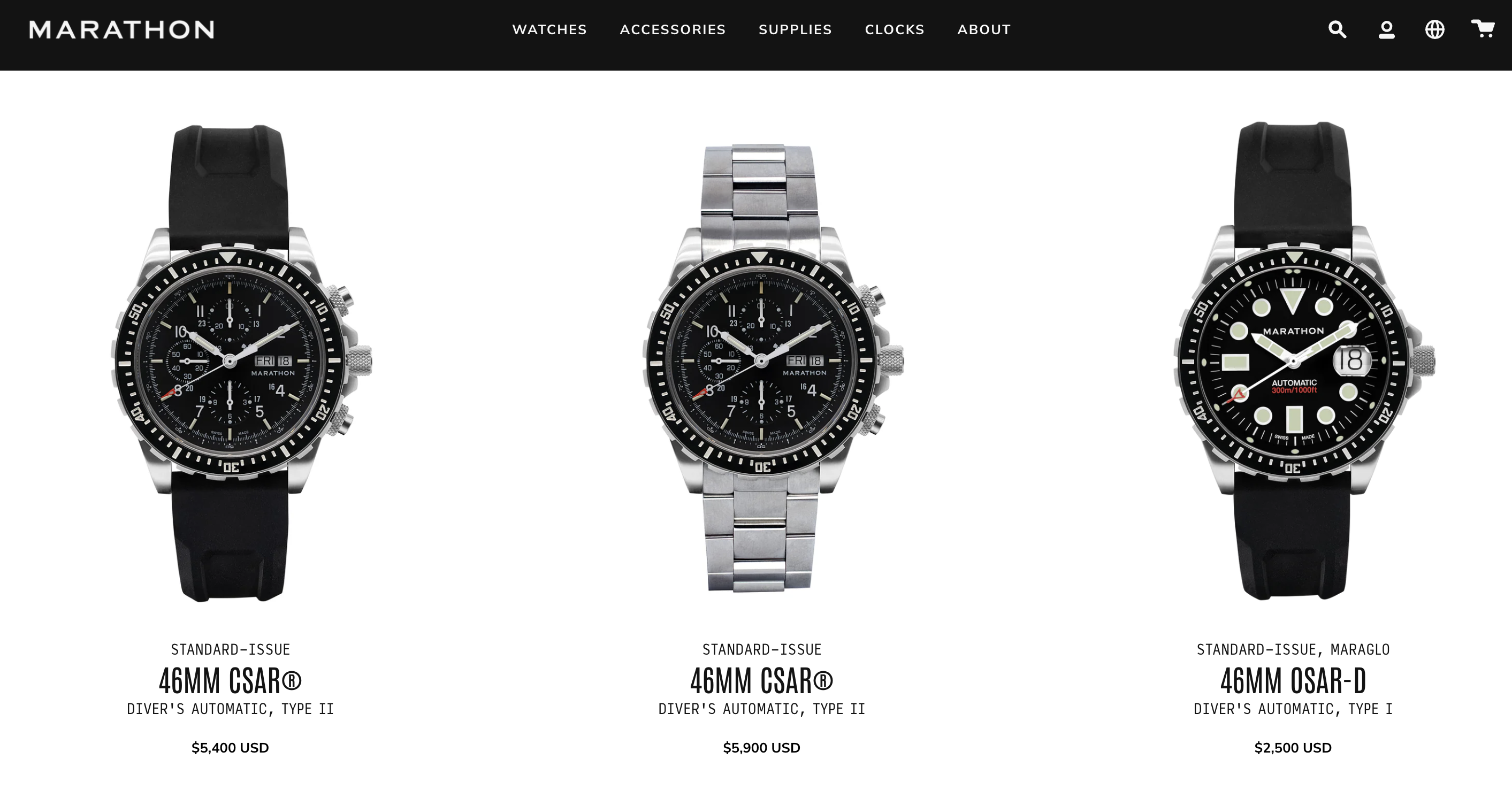
    Marathon Watch Company, based in Canada but manufacturing largely in Switzerland, is perhaps the most historically significant. Founded in 1939, Marathon has supplied watches to Allied forces since World War II and continues to produce timepieces built to U.S. and Canadian military specifications. Models like the GSAR (Government Search and Rescue) and Navigator are known for their durability, tritium gas-tube illumination, and to

    ol-watch practicality. Marathon occupies a rare position among micro-to-mid-size brands: it produces watches genuinely designed for professional use.

    Halios

    At the enthusiast end of the spectrum is Halios, a Vancouver-based microbrand founded by Jason Lim. Halios became popular in the early 2010s among collectors seeking high-quality dive watches without luxury pricing. Watches su

    ch as the Halios Seaforth and Fairwind are admired for their clean design, careful proportions, and small-batch production. Halios releases often sell out quickly, reinforcing the brand’s cult following within the watch community.

    RZE

    Another newer Canadian entrant is RZE, which focuses on modern tool watches made with lightweight titanium. Based in Canada but operating globally, RZE emphasises durability and adventure-ready design. Their watches often feature scratch-resistant coatings and vibrant colours aimed at outdoor enthusiasts, making them appealing to a younger generation of collectors.


    More Canadian Brands Worth Knowing

    Beyond these three, several additional Canadian brands help round out the country’s watchmaking landscape:

    Momentum Watches Vancouver
    Known for rugged dive and field watches designed for the outdoors. Their collections include solar-powered and automatic models built for demanding environments.
    VanBanner Watches Vancouver
    A one-person microbrand producing 100% original-design tool and sport watches in limited runs, with a strong focus on custom components and finishing quality at accessible prices.
    Ferro & Company Vancouver
    Founded in 2014 by brothers Ary and Bob, Ferro specialises in vintage-inspired watches drawing from automotive racing, aviation, and mid-century Art Deco design. Their first watch was inspired by a Porsche tachometer.
    Héron Watch Co. Montréal
    A Montréal-based independent brand producing mechanical dive and GMT watches with a design language rooted in 20th-century aesthetics. Their Marinor diver and Mirabel GMT have drawn attention from enthusiast press for build quality well above their price point.
    Wilk Watchworks British Columbia
    An enthusiast-driven microbrand offering limited runs of robust sports watches, aimed at collectors who value function-first design.
     
    31096286464?profile=RESIZE_710x

    Why Canadian Brands Are Worth Your Attention

    What makes Canadian watch brands particularly interesting is their design philosophy. Without centuries-old watchmaking traditions to protect, these companies often emphasise practicality, modern materials, and enthusiast feedback. Many operate as small microbrands, releasing limited batches directly to collectors rather than through traditional retail networks.

    In a global watch industry often defined by heritage and prestige, Canada represents something different: independent experimentation and community-driven design. While the country may never rival Switzerland in production volume, its growing roster of watchmakers demonstrates that great watchmaking ideas can emerge far from the traditional centres of horology.

    For collectors exploring watches from around the world, Canada is a reminder that innovation in horology often begins with small, passionate makers — and a willingness to do things differently.

    Why this watch, on this wrist?