Author: Gabby

  • Christopher Ward Lights Up the C1 Bel Canto Lumière

    NEW VIDEO

    Christopher Ward Lights Up the C1 Bel Canto Lumière

    This short clip shows off the new Lumière take on the GPHG-winning Bel Canto chiming watch, with a dial layered in Super-LumiNova, Globolight hands and markers, and a glowing Aquaflex rubber strap. It’s a quick, dark-room reveal of just how far that glow goes, in Neon green or Nova white.

    Why this watch, on this wrist?

  • The Watchmakers of Poland

    The Watchmakers of Poland

    WATCHES BY THE COUNTRY

    The Watchmakers of Poland

    Where socialist steel meets independent spirit, and every dial carries a story worth telling.

    Polpora watch

    Image: Polpora

    Poland does not headline the usual conversations about horology. Those tend to run through Switzerland, Germany, or Japan. Yet the country has a quiet horological identity all its own, one built on two distinct chapters. The first is a modest industrial legacy from the socialist era, typified by state watch factories such as Błonie, which turned out watches by the hundreds of thousands. The second, and by far the livelier chapter, is a 21st century revival led by a spirited crop of independent makers.

    These newer Polish brands share a common instinct: they mine national history for meaning. Their watches lean into folklore, aviation, maritime heritage, and the great figures of Polish culture, often pairing Swiss or Japanese base movements with local design, assembly, and storytelling. Warsaw’s AuroChronos Festival has become a growing showcase for this emerging scene, giving the country’s small workshops a stage of their own. What follows is a short field guide to a handful of the makers keeping Polish time.

    The Makers

    The Manufacture

    Polpora is the closest thing Poland has to a full mechanical manufacture in this group. Founded in 2006 and based in Zielona Góra, the company set out to restore a dormant national watchmaking tradition, and it has stuck to mechanical movements exclusively, automatic and manual wind alike. Polpora’s identity is deeply rooted in Polish culture and history, with models that nod to figures such as Copernicus and Kościuszko. It is the sort of brand where the historical reference is the whole point, not a marketing afterthought.

    The Heritage Revival

    Błonie carries the weight of the old state era on its shoulders, and it wears it well. The original Błonie watch factory was a genuine mid-century Polish producer, and the modern company revives that name and design legacy for a new generation. Today’s Błonie preserves the character of its 1960s output while folding in contemporary design and technology, aiming squarely at collectors who value Polish heritage as much as the watch on their wrist. It is a bridge between the country’s two horological chapters, the industrial past and the independent present.

    G.Gerlach watch

    Image: G.Gerlach

    The Storytellers

    G.Gerlach is perhaps the most historically minded of the microbrands. Operated by a foundation devoted to Polish technical heritage, it takes its name from Gustaw Gerlach, a 19th century industrialist, and builds collections that reference Polish military, aviation, and engineering history. The brand was started by watch collectors who wanted timepieces they would be proud to wear, and its designs blend vintage cues with contemporary touches, playing with dials, hands, and bezels without ever straying too far from the classical norm. For anyone drawn to the narrative side of watchmaking, G.Gerlach is a natural place to start.

    The Maritime Voice

    Balticus turns to the sea for inspiration, drawing its naming and design language from the Baltic and Poland’s coastal identity. The brand produces modern mechanical watches, including diver and sport models, giving the Polish scene a distinctly maritime flavor that sets it apart from the aviation and cultural themes favored elsewhere. If Polpora looks to the library and G.Gerlach to the airfield, Balticus looks to the water.

    Poland’s watch world is small, but that is precisely its charm. These are makers who build watches for reasons, whether to honor an astronomer, revive a lost factory, salute the country’s engineers, or capture the pull of the Baltic. The Swiss and Japanese movements inside may be borrowed, yet the stories, the design, and the assembly are unmistakably Polish. Keep an eye on the AuroChronos Festival, and an eye on this quiet corner of Central Europe. The revival is only gathering pace.

    WHERE TO FIND THEM

    Polpora — polpora.com
    Błonie — blonie.com
    G.Gerlach — gerlach.org.pl
    Balticus — balticus-watches.com

    Until the next border, keep watching.

    Why this watch, on this wrist?

  • Weiss Watch Company: American Watchmaking, Built the Hard Way

    Weiss Watch Company: American Watchmaking, Built the Hard Way

    MICROBRAND

    Weiss Watch Company: American Watchmaking, Built the Hard Way

    Small scale, high intent: Weiss Watch Company has spent the last decade proving that “American made” can mean more than assembly and branding.

    Origin

    Weiss Watch Company was founded in 2013 by Cameron Weiss, a trained watchmaker whose background includes experience at Vacheron Constantin. Instead of building a label around outsourced production, Weiss set out to make watches in the United States and to bring more of the process in house over time.

    That choice remains the brand’s defining idea. While many microbrands rely on standard supplier networks and third party production, Weiss has leaned into bench work, machining, and a more direct form of watchmaking. It is a slower path, and usually a costlier one, but it is also what gives the brand its identity.

    What Makes It Notable

    Weiss is notable because it stretches the usual definition of a microbrand. The company is still small and founder led, but its ambitions reach beyond the common formula of sourced parts, catalog cases, and lightly customized movements. Weiss has positioned itself around domestic manufacturing and visible craft, which makes it one of the more closely watched names in modern American watchmaking.

    Signature

    A central model in the lineup is the Standard Issue Field Watch, a straightforward field watch with an emphasis on legibility and everyday wear. Its design keeps to the essentials, clear numerals, practical proportions, and a utilitarian tone that fits the category well.

    We have intentionally not repeated unconfirmed technical details here. For current information on movement, crystal, water resistance, and production specifics, the best source is the brand itself.

    Where to Find Them

    The best place to explore the current collection and confirm specifications is Weiss Watch Company’s official website. If your interest in microbrands leans toward actual watchmaking, not just branding, Weiss is a name worth knowing.

    Visit Weiss Watch Company →

    Why this watch, on this wrist?

  • Tudor’s New Monarch Makes a Dressier Case for the Brand’s Next Century

    Tudor’s New Monarch Makes a Dressier Case for the Brand’s Next Century

    NEW RELEASE

    Tudor’s New Monarch Makes a Dressier Case for the Brand’s Next Century

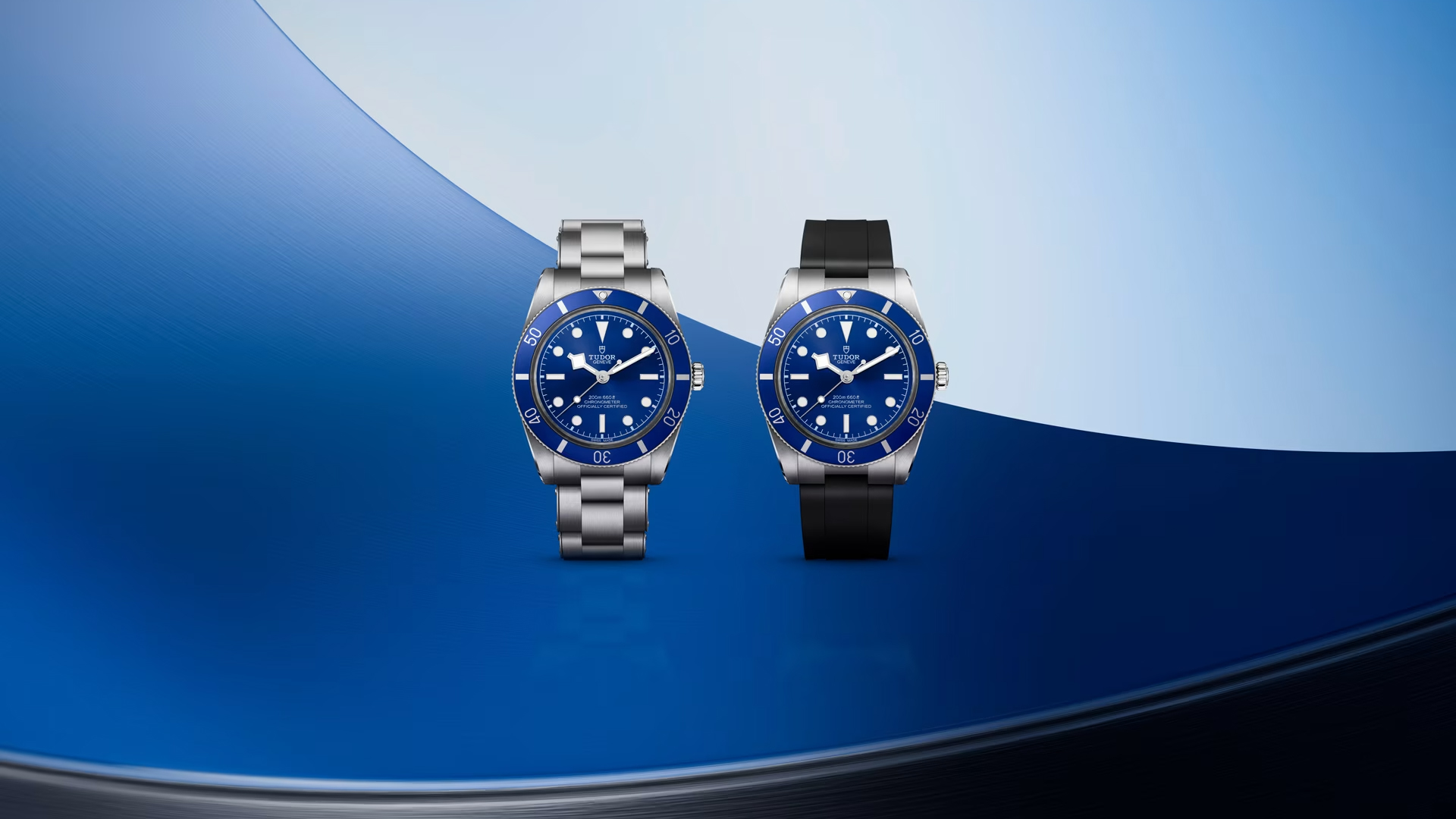
    For its centenary, Tudor appears to be pushing beyond pure tool-watch pragmatism with a new model said to pair traditional movement decoration with the brand’s familiar value pitch. But several key details still need confirmation.

    Tudor's New Monarch Makes a Dressier Case for the Brand's Next Century

    Image: source

    Source: TUDOR

    Tudor has long built its reputation on restraint. While much of Swiss watchmaking sells aspiration through finishing, legacy language, and display-case romance, Tudor usually leads with utility. Its best known modern hits are watches you buy for their proportion, durability, and credibility, not because the movement is dressed for applause.

    That is why the reported arrival of the Monarch matters, if the brand’s own 2026 materials bear out the claims in this draft. Presented here as a centenary release, the watch is described as introducing a newly developed in-house caliber with visible decorative work, including Geneva stripes, beveling, and a gold rotor inlay. If accurate, that would mark a notable shift in emphasis for Tudor, from making movements you trust to making movements you are also invited to admire. (Needs verification.)

    “Tudor’s usual promise has been straightforward value. If the Monarch is exactly as described, it suggests the brand now wants to compete on visual refinement too.”

    The most provocative detail is the price. At a stated $4,800, the Monarch would sit well below much of the industry’s entry point for visibly embellished mechanical watchmaking. That kind of positioning would be very on-brand for Tudor. The company has spent the last decade strengthening its case as the buyer’s choice in modern Swiss luxury, often by offering tangible quality where competitors offer only prestige.

    Still, this is where caution is necessary. Several core claims in the draft, including the 100th anniversary framing, the exact watch name, the reference number, the movement details, and the price, were not independently substantiated within the text beyond a general Tudor new-watches link. Tudor was founded in 1926, so a 2026 centenary is plausible. But the specific product facts should be confirmed directly from the individual product page or official press material before publication. (Needs verification.)

    If confirmed, the broader significance is easy to see. Finishing has long functioned as one of Swiss watchmaking’s clearest class markers. Brands can match each other on accuracy and reliability more easily than they can on labor-intensive decoration, especially decoration visible through a display back. So when a value-driven manufacturer starts advertising those cues, it pressures the category above it. Buyers begin asking harder questions about what, exactly, they are paying for.

    That does not mean Tudor is abandoning its identity. If anything, a watch like this would suggest the brand is expanding it. A Tudor with a more polished visual and mechanical presentation would still make sense, especially in an anniversary year, so long as the pricing remains disciplined and the execution avoids feeling like borrowed theater. The appeal would not be that Tudor suddenly became something else. It would be that Tudor found a way to translate its familiar value logic into a more formal, decorative register.

    WATCH SPECIFICATIONS

    Brand Tudor
    Model Monarch (needs verification)
    Reference m2639w1a0u-0001 (needs verification)
    Case Size Needs verification
    Case Material Needs verification
    Dial Color Needs verification
    Movement Newly developed in-house mechanical caliber with Geneva stripes, beveling, and gold rotor inlay (needs verification)
    Power Reserve Needs verification
    Water Resistance Needs verification
    Approximate Market Price $4,800 (needs verification)

    Heritage

    Tudor’s historical role within the broader Rolex orbit is well established. The brand was created to offer robust Swiss watches with strong practical credibility at more accessible prices than Rolex itself. That balance, durability over flourish, has defined much of Tudor’s identity for decades.

    The draft also links the Monarch name to older Tudor integrated-bracelet dress models. That may be true, but it requires direct sourcing before it can be stated as fact. (Needs verification.) If Tudor is indeed reviving a legacy name tied to a dressier part of its back catalog, that would make sense for an anniversary launch, especially one meant to broaden the brand’s image beyond dive and sport watches.

    Likewise, Tudor’s transition toward in-house calibers is a real and important modern story, though any claim about this specific movement’s place in that evolution should be tied to official documentation from Tudor. The key editorial point remains sound: if this release introduces a more overtly decorated manufacture movement at an accessible price, it would represent an evolution in how Tudor defines value.

    Why This Watch on This Wrist

    The strongest case for the Monarch is not that it gives Tudor a dress watch. It is that it gives a certain buyer permission to stop treating finishing as someone else’s game.

    The right wrist here belongs to a collector who already understands Tudor’s appeal, someone who has owned or considered a Black Bay, a Pelagos, or another practical daily wearer, but has started wanting more visual pleasure from the mechanics themselves. Not prestige for its own sake, and not old-world preciousness, just evidence that care can be seen as well as measured.

    That is an earned connection because it aligns with Tudor’s actual audience. The brand has built trust with buyers who are value-conscious without being joyless, and knowledgeable without needing to perform connoisseurship. If the Monarch is real in the form described, it speaks directly to that person. It says you do not need to leave the Tudor ecosystem to get a watch with a little more ceremony.

    On the wrist, then, the Monarch would not signal a personality transplant. It would signal a widening taste, a move from pure utility toward appreciation, while staying grounded in the same price logic that got the owner here in the first place.

  • Lorier Watches: Brooklyn Vintage Style, Done With Discipline

    Lorier Watches: Brooklyn Vintage Style, Done With Discipline

    MICROBRAND

    Lorier Watches: Brooklyn Vintage Style, Done With Discipline

    An enthusiast-led brand that channels mid-century sport watches without turning them into costume pieces.

    Lorier Watches — Lorier Watches: Brooklyn Vintage Style, Done With Discipline

    Image: source

    Lorier Watches is one of the clearest examples of what a modern microbrand can do well: take familiar vintage cues, apply them with restraint, and deliver a coherent collection at accessible prices.

    Origin

    Lorier was founded in 2018 by Lorenzo and Lauren Ortega, a husband-and-wife team based in New York City. From the start, the brand has focused on compact, vintage-inspired mechanical watches rather than a broad catalogue built to chase every trend.

    That narrow focus is part of the appeal. Lorier has developed a recognizable design language, one rooted in mid-century dive, field, and travel watches, while keeping its lineup relatively tight and enthusiast-oriented.

    What Makes It Notable

    Lorier’s calling card is the balance between old-watch charm and modern usability. Its watches regularly feature design elements associated with classic sports models, including domed acrylic crystals, compact case proportions, rivet or flat-link style bracelets, and warm-toned luminous material. At the same time, the watches are built for contemporary wear, with modern manufacturing, current movements, and everyday reliability.

    The brand also benefits from a direct-to-consumer model. Selling through its own website allows Lorier to keep pricing comparatively approachable and maintain a close relationship with buyers. That has helped it build a strong enthusiast following, especially among collectors who want vintage style without the fragility, service complexity, or escalating cost of true vintage pieces.

    Just as important, Lorier has resisted over-expansion. Its catalogue has typically stayed focused on a handful of core ideas: the dive watch, the field watch, and the travel-ready sports watch. That restraint gives the brand a more defined identity than many young independents.

    Signature

    If one watch best represents the brand, it is the Neptune. Lorier’s dive watch has become its signature model, combining a classic skin-diver sensibility with polished, wearable proportions. Depending on the generation, Neptune models have featured details such as an unguarded crown, broad-arrow style hands, a clean rotating bezel, and the brand’s characteristically vintage-leaning bracelet design.

    The Neptune’s appeal is straightforward: it looks like a watch from another era, but it is sold as a practical daily wearer. It is dressier than many modern divers, which makes it easy to wear beyond casual settings.

    Pricing appears to sit around the accessible mechanical-watch bracket, though the exact Neptune price should be confirmed on Lorier’s website because model generations and availability may vary.

    Lorier’s wider range extends this same approach into other categories, but the Neptune remains the cleanest expression of the brand’s taste.

    Official Website

    For current models, specifications, and availability, the best source is Lorier’s official website: https://www.lorierwatches.com

    Visit Lorier →

    Why It Matters

    Lorier stands out because it understands that nostalgia alone is not enough. Plenty of brands borrow vintage cues. Fewer know how to edit them carefully, price them sensibly, and build a collection that feels consistent from one release to the next.

    For collectors who want the feel of an older sport watch without buying vintage, Lorier remains a brand worth knowing.

    This article was revised using background facts attributed in the original draft to Balance & Bridge’s guide to American watch brands (https://www.balanceandbridge.com). Brand details should also be confirmed against Lorier’s official website: https://www.lorierwatches.com.

    Why this watch, on this wrist?
  • Rolex Spotlights the Syloxi Hairspring in the 37mm Yacht-Master

    NEW VIDEO

    Rolex Spotlights the Syloxi Hairspring in the 37mm Yacht-Master

    Rolex turns its attention to calibre 2236, the movement powering the 37mm Yacht-Master in Oystersteel and platinum. The short film explains how the in-house Syloxi hairspring’s patented geometry keeps timekeeping steady across positions while shrugging off shocks and temperature shifts, a quiet feat of engineering worth a look.

    Why this watch, on this wrist?

  • The Watchmakers of Finland

    The Watchmakers of Finland

    WATCHES BY THE COUNTRY

    The Watchmakers of Finland

    Where Nordic silence meets mechanical precision, and the Arctic light finds its way onto a dial.

    Suunto watch

    Image: Suunto

    Finland has slipped, almost without fanfare, into the front rank of Europe’s small-scale watchmaking nations. This is not a country of vast factories and marketing spectacle. It is a country of ateliers, benches, and a state-supported watchmaking school near Helsinki that has quietly trained a generation of independents now respected far beyond the Baltic. The Finnish way favors restraint over volume: tight-knit workshops, careful hands, and a design language rooted in the landscape itself.

    That landscape runs deep through the work. Arctic wood, elk leather, and archipelago themes appear again and again, married to the clean geometry that Finnish design is known for the world over. Alongside a heritage name like Leijona, founded in 1907, a younger community of microbrands and independents has grown up around Helsinki, each interpreting Nordic minimalism in its own way. Here is a field guide to a few of them.

    The Makers

    The Instrument Maker

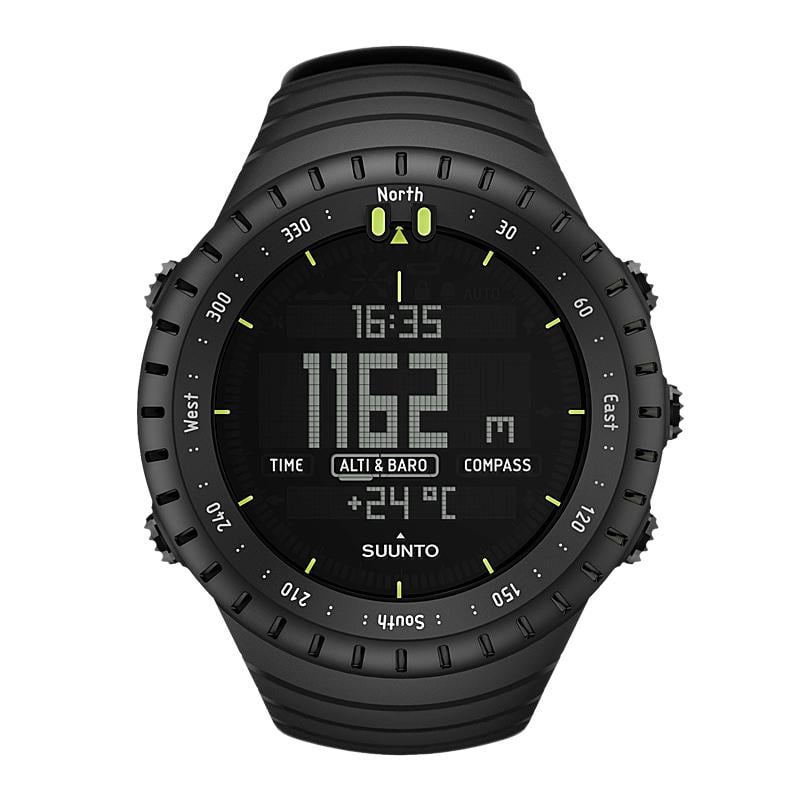
    Suunto is the outlier and the giant of Finnish timekeeping. Founded in 1936 and headquartered in Vantaa, it built its global reputation on precision instruments: compasses, dive computers, GPS watches, and sports watches worn by explorers, divers, and athletes. Where the rest of the Finnish scene leans mechanical and artisanal, Suunto represents the country’s engineering tradition, function first and rugged to the core.

    The Heritage House

    Leijona traces its roots to 1907, making it one of the oldest and best-known domestic watch names in Finland. Its longevity is its story: generations of Finns have marked their milestones with a Leijona on the wrist. The brand remains a fixture of the national identity, a familiar name that still stands for accessible, everyday Finnish watchmaking.

    The Independents

    If Finland has a horological star, it is Stepan Sarpaneva. His eponymous house, Sarpaneva, was founded in 2003 in Helsinki and has become internationally collectible for its unmistakable dial and case work. Sarpaneva’s designs are strange in the best sense, immediately recognizable and unlike anything coming out of Switzerland. It is proof that a single independent voice can put a whole country on the map.

    Leijona watch

    Image: Leijona

    Sarpaneva’s sister brand, S.U.F Helsinki, arrived in 2004 with a different remit. Where the main line explores the eccentric, S.U.F produces limited mechanical watches built around Finnish themes with local assembly. As the brand puts it, these are watches that are “Finland, through and through.” It is the more grounded, patriotic counterpart to Sarpaneva’s oddball world.

    From Espoo comes Jurmo, an independent brand that pairs Nordic styling with small-scale mechanical production. Named after a spot in the Finnish archipelago, Jurmo leans into the country’s nature-first design instinct, offering a clean and considered take on the modern Finnish mechanical watch.

    The Microbrands

    Not every Finnish maker is chasing haute horlogerie, and that variety is part of the charm. Pook Watches, based in Joensuu, brings color and accessibility to the scene with dive-style watches built on Japanese automatic movements. Its cheerful, adventure-minded identity (“to the next adventures,” as the brand says) is a friendly counterpoint to the more austere corners of Finnish design.

    Aarni, founded in 2015, takes the country’s affinity for natural materials to its logical conclusion. The brand builds watches and accessories from wood and other natural materials, framing itself as “nature refined” and Scandinavian by design. It is the most literal expression of the Finnish habit of bringing the forest onto the wrist.

    The Close

    What unites these makers is not a house style but a temperament: quiet confidence, respect for materials, and a refusal to do more than is needed. From Suunto’s field instruments to Sarpaneva’s collectible eccentricities, Finland proves that a small nation with a good school and a strong sense of place can produce watches that travel the world. Keep an eye on the north. The light up there is doing interesting things.

    Brands and details verified against the independent Watches of Finland community of makers. Explore each maker at the links above, and support the small workshops keeping Finnish horology alive.

    WHERE TO FIND THEM

    Suunto — Vantaa
    Leijona — Finland
    Sarpaneva — Helsinki
    S.U.F Helsinki — Helsinki
    Jurmo — Espoo
    Pook Watches — Joensuu
    Aarni — Finland

    Why this watch, on this wrist?

  • Chronoswiss Pulse GMT Frosted Guilloché Gold

    Chronoswiss Pulse GMT Frosted Guilloché Gold

    DROP

    Chronoswiss Pulse GMT Frosted Guilloché Gold

    The year-old Pulse collection gets its first gold outing, and a new frosted texture to go with it.

    Chronoswiss has moved its Pulse GMT into precious metal for the first time with the Frosted Guilloché Gold (ref. CH-4221RM-GR), a 50-piece limited edition priced at €46,500. The 41mm case is 18ct 5N rose gold, weighing in at 48 grams, paired with an integrated black rubber strap rather than a metal bracelet, a practical choice given the case’s heft.

    The headline update is the dial: a hand-guilloché brass surface finished with a new frosted, sandblasted texture that catches light differently across the horizontal regulator-style GMT display. That layout separates local and home time without crowding the dial with extra central hands, keeping legibility intact around the brand’s familiar onion crown and coin-edged bezel. Power comes from the in-house automatic caliber C.6002, ruthenium-plated with a tungsten rotor and Côtes de Genève finishing, offering roughly 55 hours of reserve. Water resistance is rated to 50 meters.

    Since Pulse only launched in 2025, this gold edition marks an early but telling step for the line, one that trades novelty for material weight and finishing detail rather than a full redesign.

    Source: Chronoswiss

    Why this watch, on this wrist?

  • The Watchmakers of Denmark

    The Watchmakers of Denmark

    WATCHES BY THE COUNTRY

    The Watchmakers of Denmark

    Where furniture design logic meets the wrist, and less is very nearly everything.

    Denmark rarely comes up in the same breath as Switzerland or Germany, and that is precisely the point. This small Nordic kingdom never built a sprawling mechanical manufacturing industry. What it built instead was a design philosophy, one exported through chairs, lamps, radios, and hi-fi systems long before it reached the wrist. Clean lines, honest materials, and the conviction that form should follow function: these are the same instincts that shaped Danish furniture icons and now shape Danish watches.

    There is real horological history here too. The Jürgensen watchmaking family carried a Danish name into the highest reaches of the craft, and today Copenhagen and Aarhus host a lively scene of microbrands and design houses. Some chase affordable minimalism at scale, others chase craft ambition in small batches, but nearly all of them share that unmistakable Scandinavian restraint. Below is a field guide to a cross section of the country’s makers.

    The Design Houses

    Denmark’s watch story is inseparable from its wider design legacy, and no name proves that better than Georg Jensen. Founded in Copenhagen in 1904, the house built its reputation on silver and jewelry before extending that heritage into timepieces, including the Koppel collection. A Georg Jensen watch reads less like a gadget and more like a piece of Danish design history you can wear.

    The same lineage runs through Jacob Jensen, the design house founded by the industrial designer of the same name in 1958. Jensen’s studio helped define what modern Danish product design looks like, and its watches carry that spare, architectural aesthetic onto the wrist. These are pieces defined by geometry and quiet confidence rather than ornament.

    The Modern Design Brands

    If you have browsed a minimalist watch online in the last decade, you have probably crossed paths with Nordgreen. Founded in Copenhagen in 2017 by Pascar Sivam and Vasilij Brandt, the brand made accessible Scandinavian design its whole reason for being. Industrial designer Jakob Wagner is associated with its design language, and the result is a range of clean, uncluttered watches that have found a genuinely global audience.

    Obaku takes minimalism somewhere slightly more meditative. Launched in 2007, the brand blends Danish design with a Zen aesthetic, producing watches that are designed in Denmark and sold internationally. The emphasis is on calm, uncluttered dials and a sense of stillness, an approach that feels distinctly of its home country.

    Nordgreen watch

    Image: Nordgreen

    Then there is Bering, founded in 2010 and named for the Danish explorer Vitus Bering. As the brand tells it, the concept was born after a trip to the North Pole, and that Arctic inspiration runs through everything: think minimalist design paired with materials like sapphire crystal and ceramic. The tagline says it plainly, “Inspired by Arctic Beauty.” Bering has become one of Denmark’s most recognizable exports in the design watch category, spanning both watches and jewelry.

    The Microbrands and Craft Makers

    For those who want a bit more character and a bit more craft, Denmark’s independent scene delivers. Henry Archer, based in Aarhus and founded by Henrik Schødt, focuses on slim automatic watches dressed in clean Scandinavian design cues. It is a small operation with a clear point of view, and its lean cases show how much personality can live inside restraint.

    Vejrhøj offers something more unexpected. Founded in 2013 by Janus Aarup, this independent brand is best known for combining natural wood with steel and other materials, all within a firmly Scandinavian design framework. Using wood as a primary material is a bold move in a field obsessed with metal, and it gives Vejrhøj pieces a warmth and tactility that stand apart from the crowd.

    Together, these two makers represent the quieter, more hands-on end of Danish watchmaking, the part of the scene where design and craft ambition matter more than volume.

    The Close

    Danish watchmaking is not about complications stacked ten deep or centuries of manufacturing pedigree. It is about a way of seeing: the belief that a well made object should be honest, useful, and beautiful in its simplicity. Whether you gravitate toward the heritage of Georg Jensen and Jacob Jensen, the accessible minimalism of Nordgreen, Obaku, and Bering, or the craft focus of Henry Archer and Vejrhøj, there is a distinctly Danish sensibility running through all of it.

    Some of the facts above draw on WhichWatch.org’s roundup of Danish brands, which you can read at whichwatch.org. As ever, the best way to understand a watch is to visit the maker directly and see the design thinking for yourself.

    Why this watch, on this wrist?

  • Seiko Star Time

    Seiko Star Time

    DROP

    Seiko Star Time

    A one-of-a-kind tribute watch built not to tell time, but to count a career, engineered to run for roughly a century.

    Seiko Star Time (Shohei Ohtani 10th Anniversary One-Off)

    Image: Seiko

    Seiko has unveiled Star Time, a unique commemorative watch marking ten years since Shohei Ohtani became the brand’s ambassador in Japan. It is not for sale and exists as a single piece, but the concept behind it is unusually personal: Seiko says the project began when Ohtani asked its designers how much playing time he might have left in his career, and the brand set out to answer that question mechanically rather than in words.

    The result is a display built from five rotating discs, engineered to track accumulated hours up to roughly 1,000,000, or about 114 years, effectively framing an athletic career within a much longer span of time. The case is High-Intensity titanium with a box-shaped sapphire crystal and ceramic bezel, paired with a silicone strap and a crown set with a blue sapphire. Seiko says the piece took about three years to develop.

    Since it will never reach retail, Star Time functions more as a design statement than a product launch: a way for Seiko to translate a decade-long partnership, and one athlete’s offhand question, into an actual mechanism. That alone makes it worth a second look.

    Source: Seiko

    Why this watch, on this wrist?